B&B - holiday home · Casertavecchia (CE)
B&B Pier Paolo Pasolini
In the heart of the medieval village of Casertavecchia
I have an affection greater than any love
Pier Paolo Pasolini, “Un affetto e la vita”, 1971
By writing to us via WhatsApp or email you give us your contact details, which we will use only to reply to your request. WhatsApp is a service of WhatsApp Ireland Ltd. Privacy policy
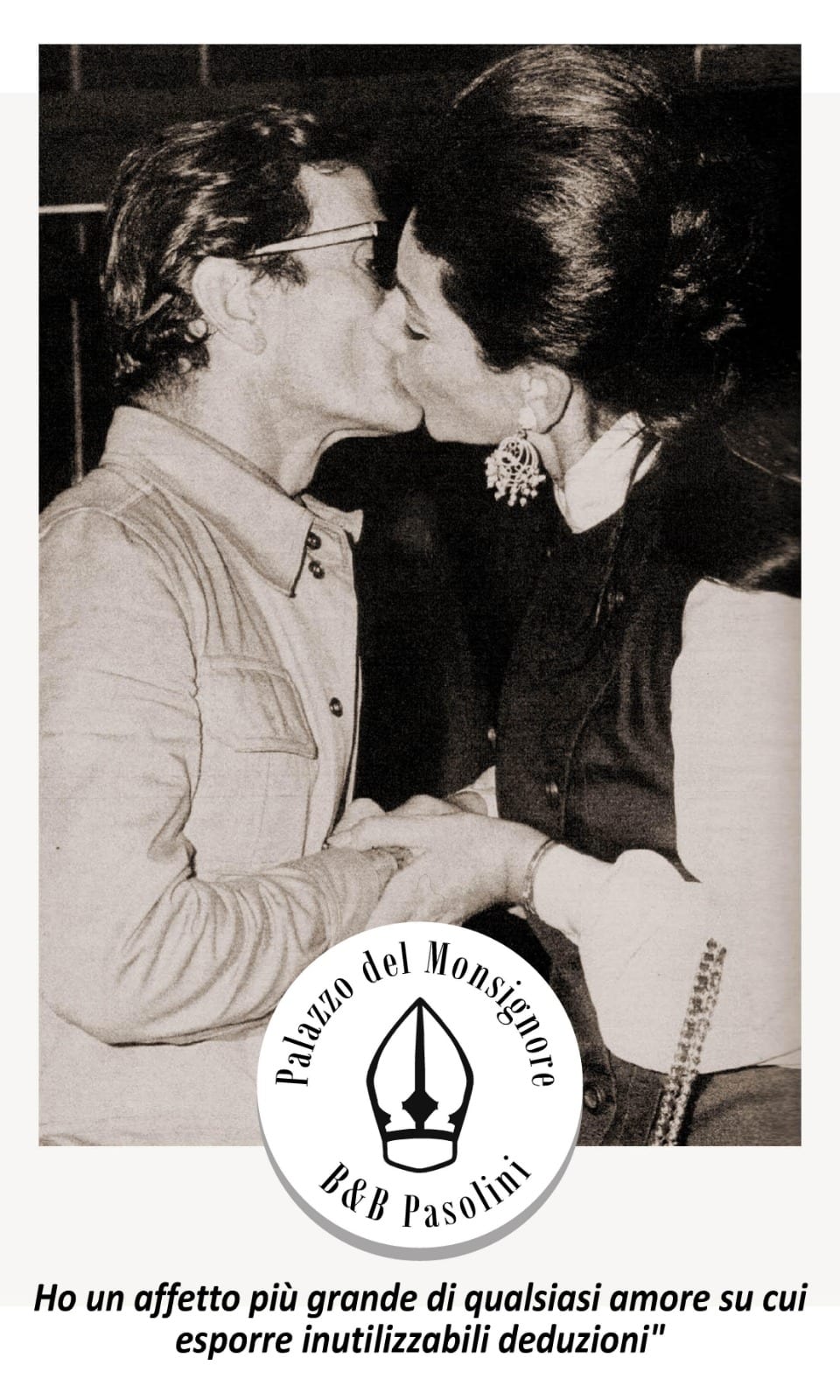
Period photograph, photographer unidentified. Rights holders may write to info@ospitalitacasertavecchia.com to request its removal.
The house
At the centre of the village
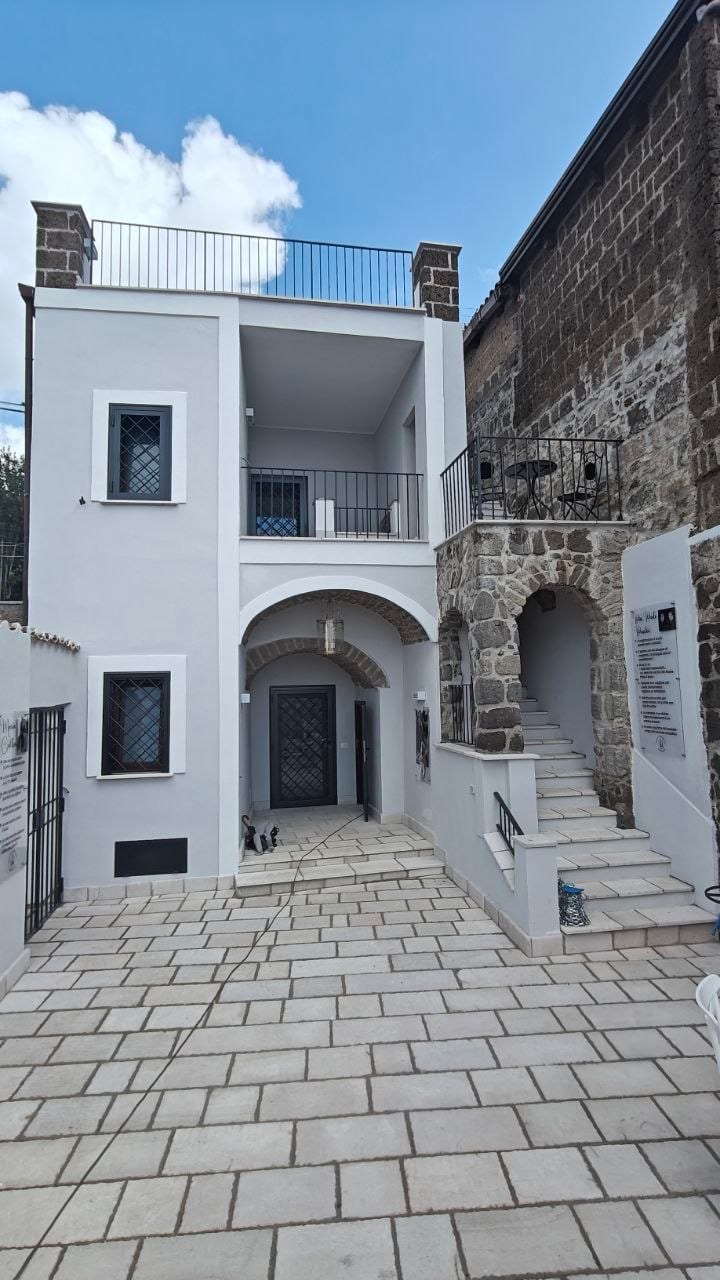
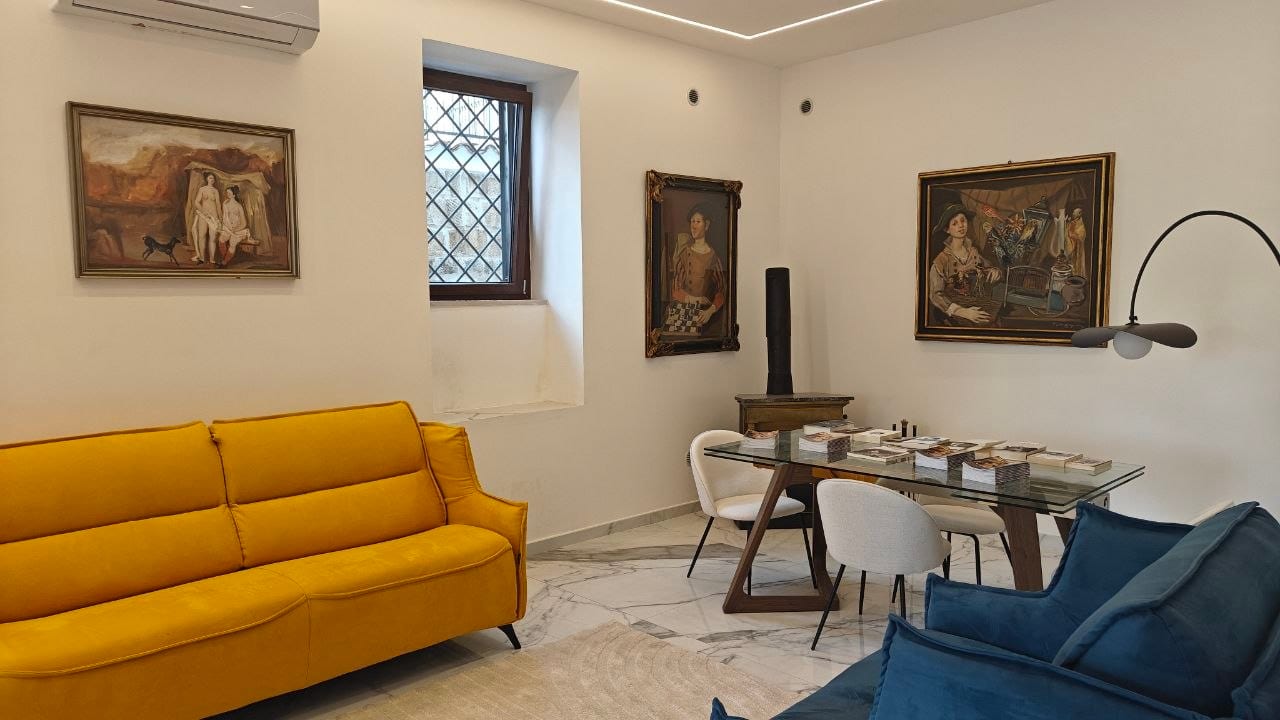
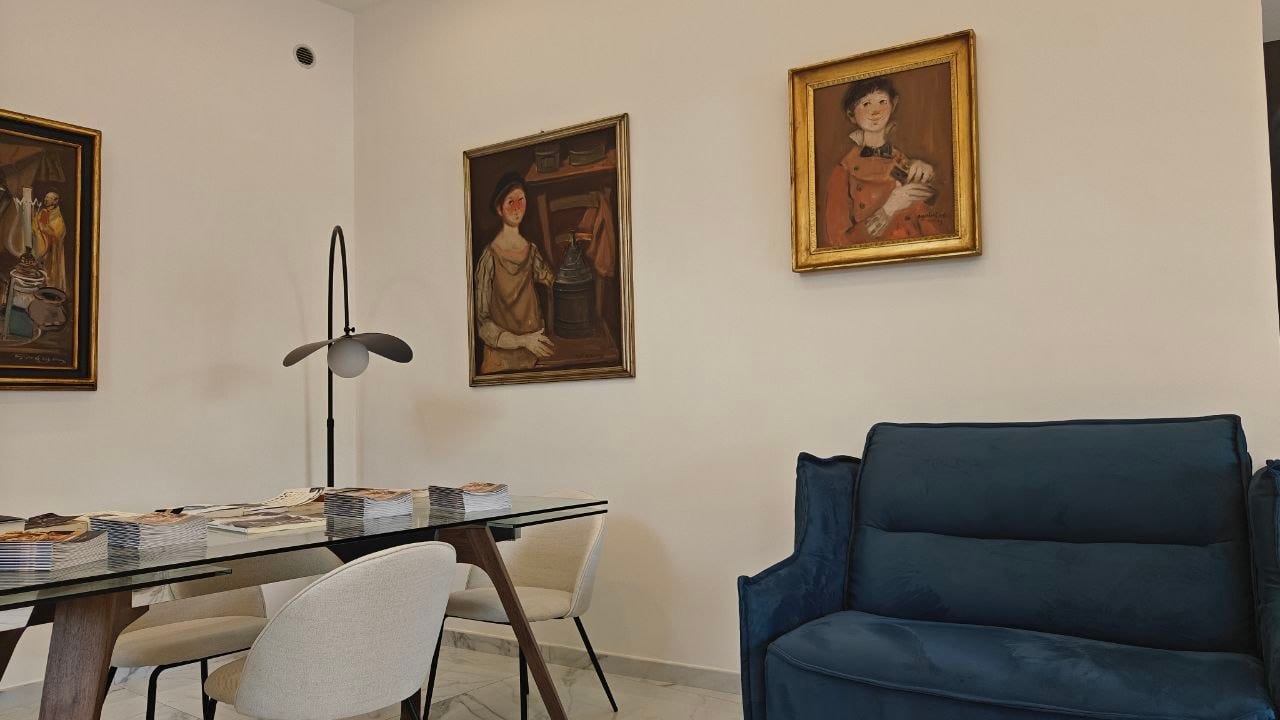
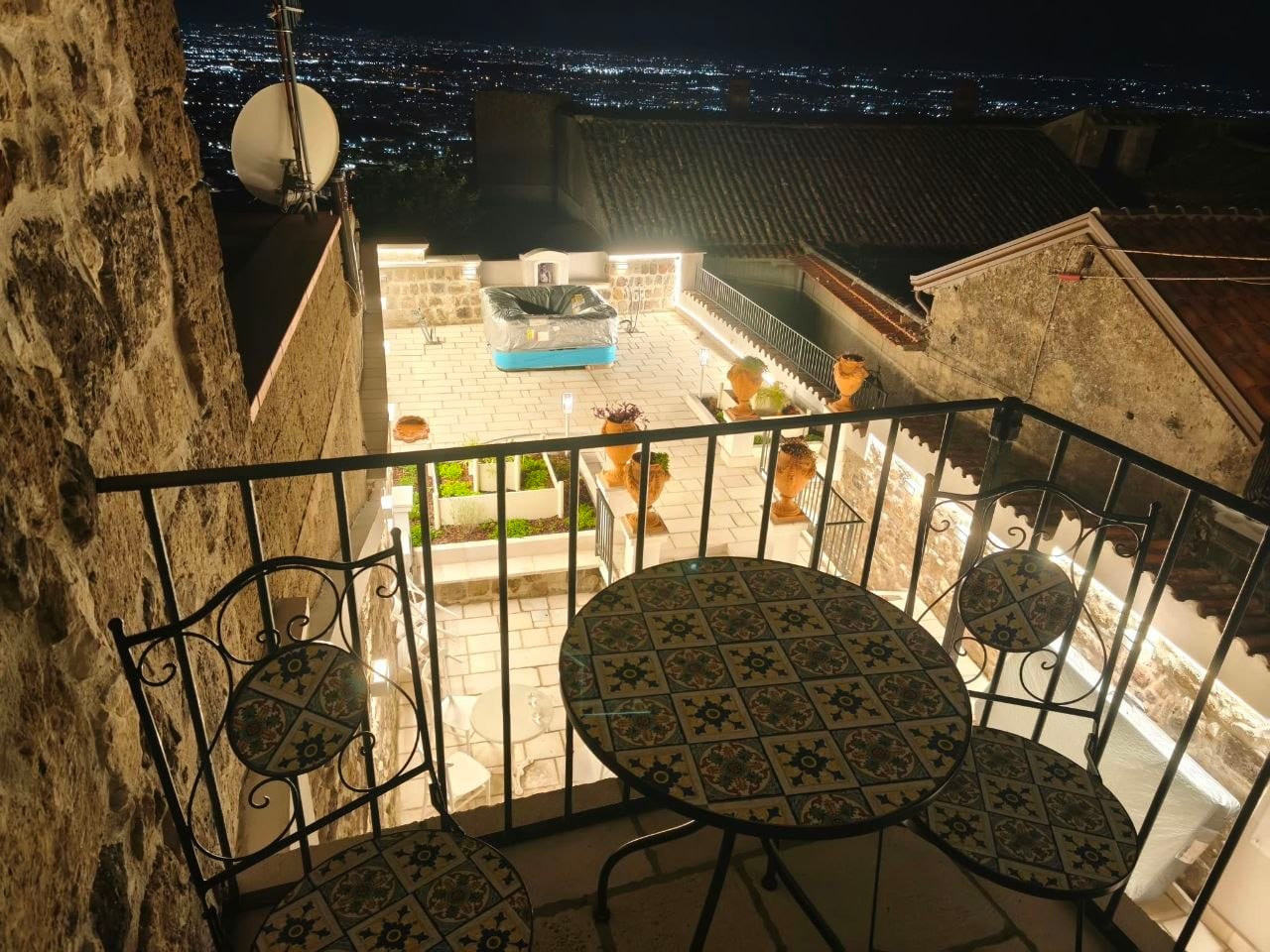
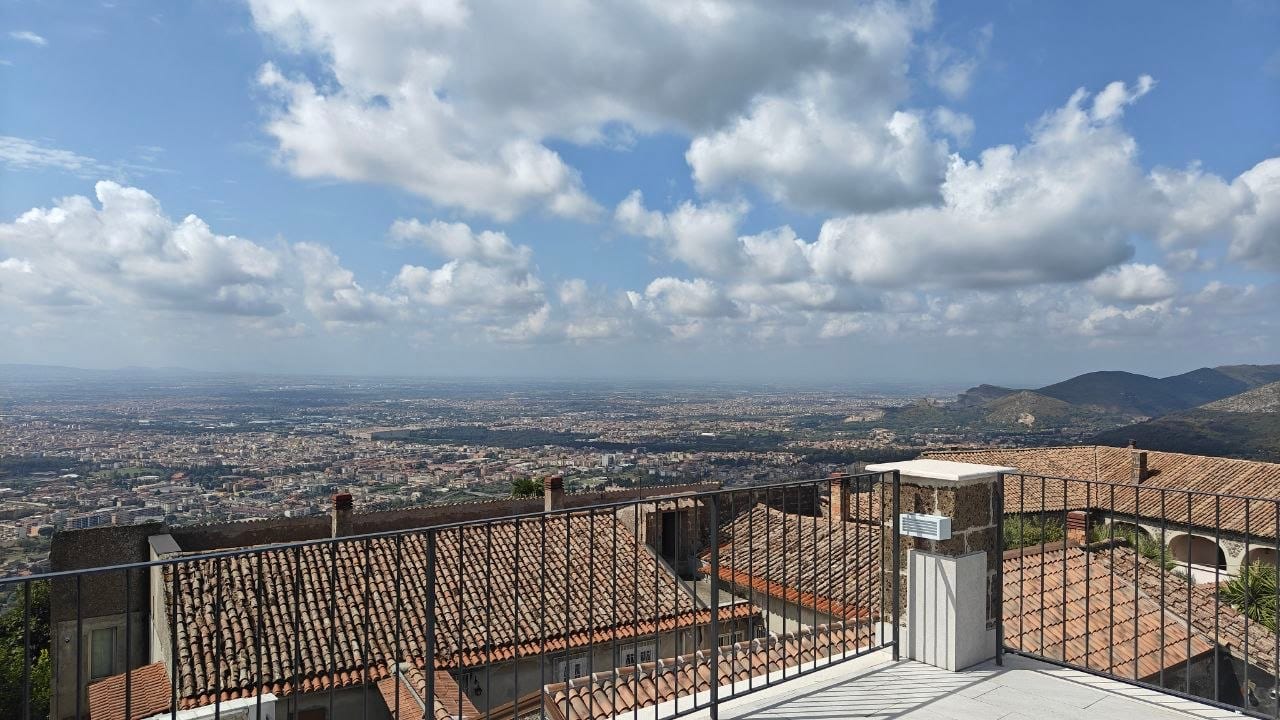
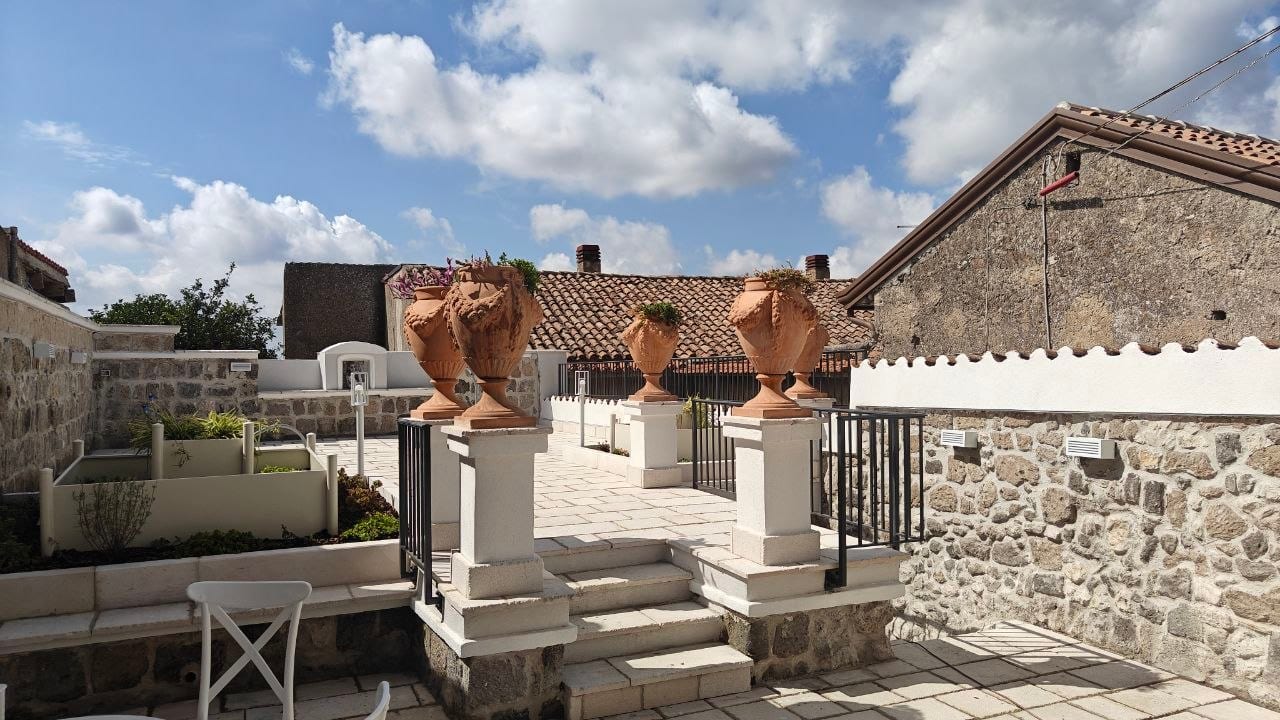
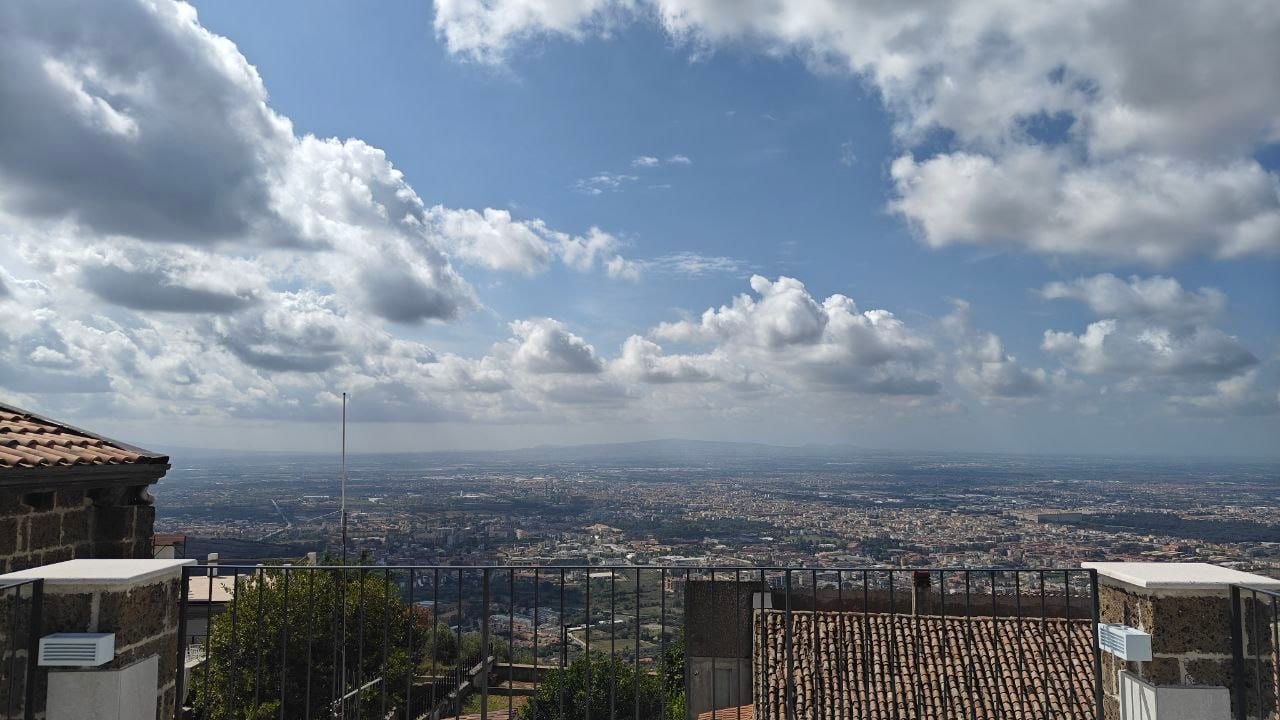
The house is on two floors, with two rooms, each with its own bathroom. There is a sitting room with sofas and paintings on the walls, a first-floor terrace with a wrought-iron table and, at the top, the roof terrace, looking over the roofs of the village, the plain of Caserta and the Tifatini hills.
We are just a few steps from the Cathedral, among lanes and stone doorways, and about 25 minutes by car from the centre of Caserta and the Royal Palace.
Room amenities
- Wi-Fi
- Private bathroom in every room
- Air conditioning
- Flat-screen TV
- Minibar
- Desk
- Safe
- Hairdryer
- Bed linen and towels
- Complimentary toiletries
Where to sleep
The rooms
Two rooms, named after Pier Paolo Pasolini and Maria Callas: the reason why is explained below, and told in full on the story page.
-
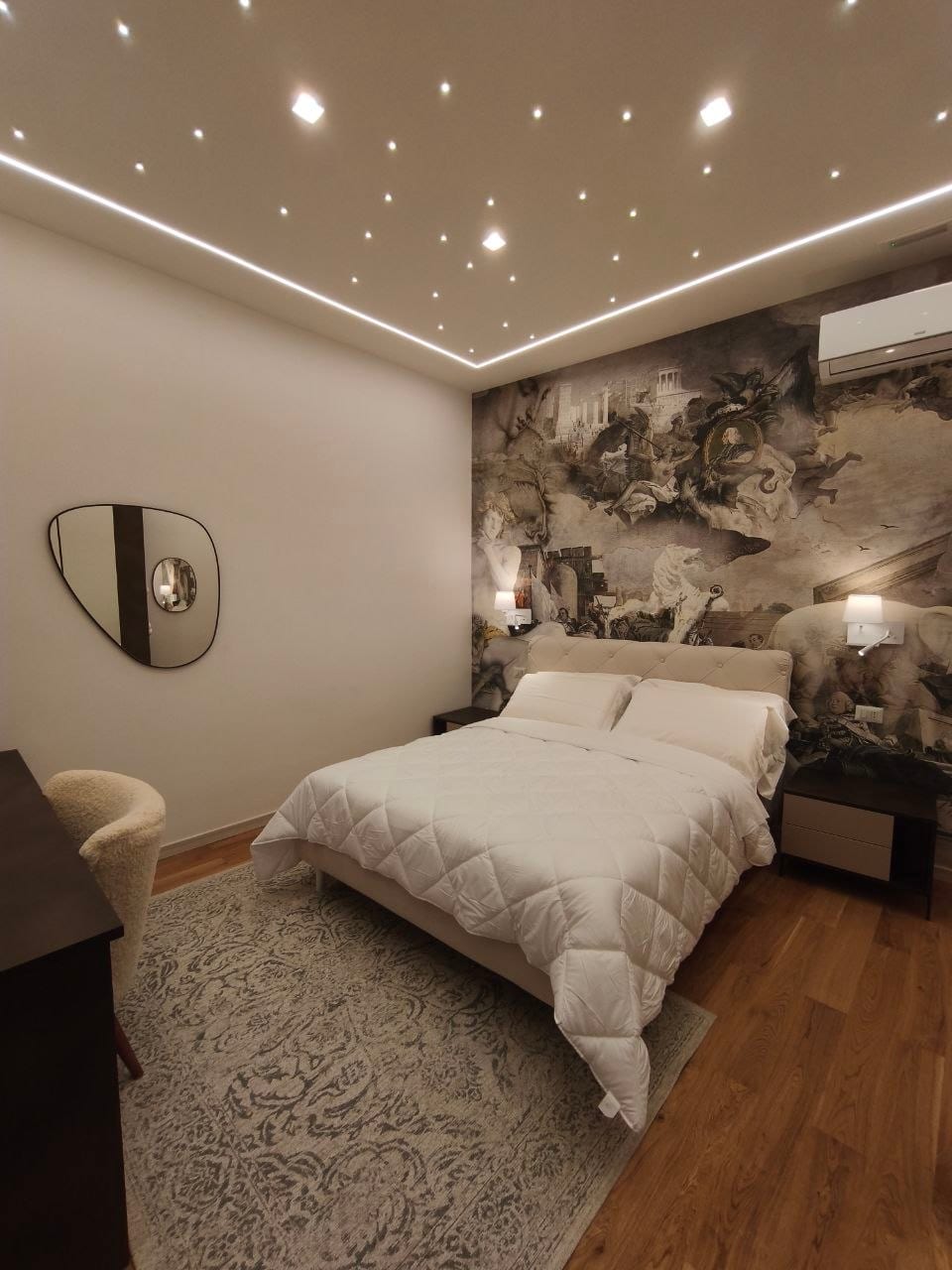
Camera Pasolini
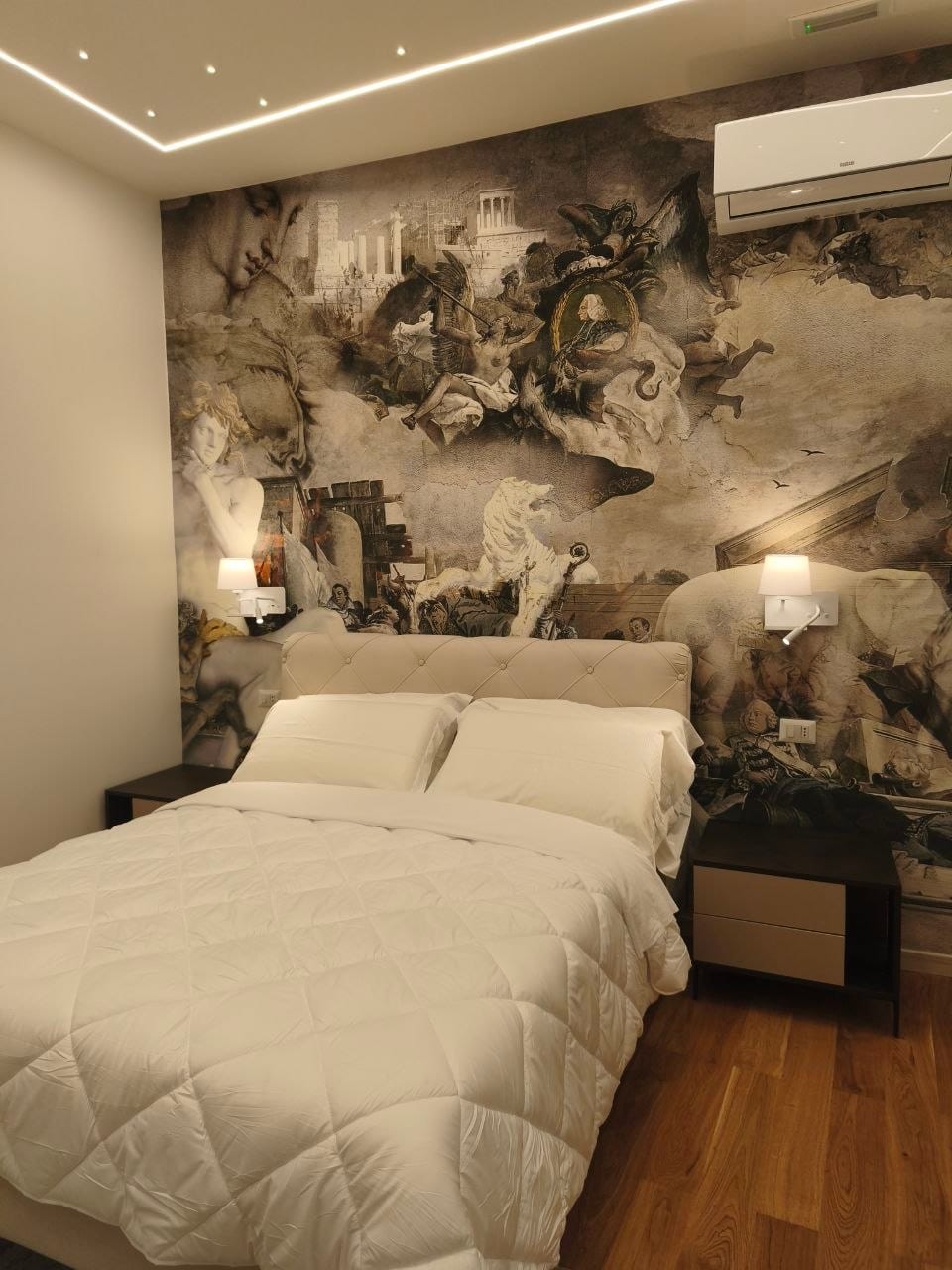
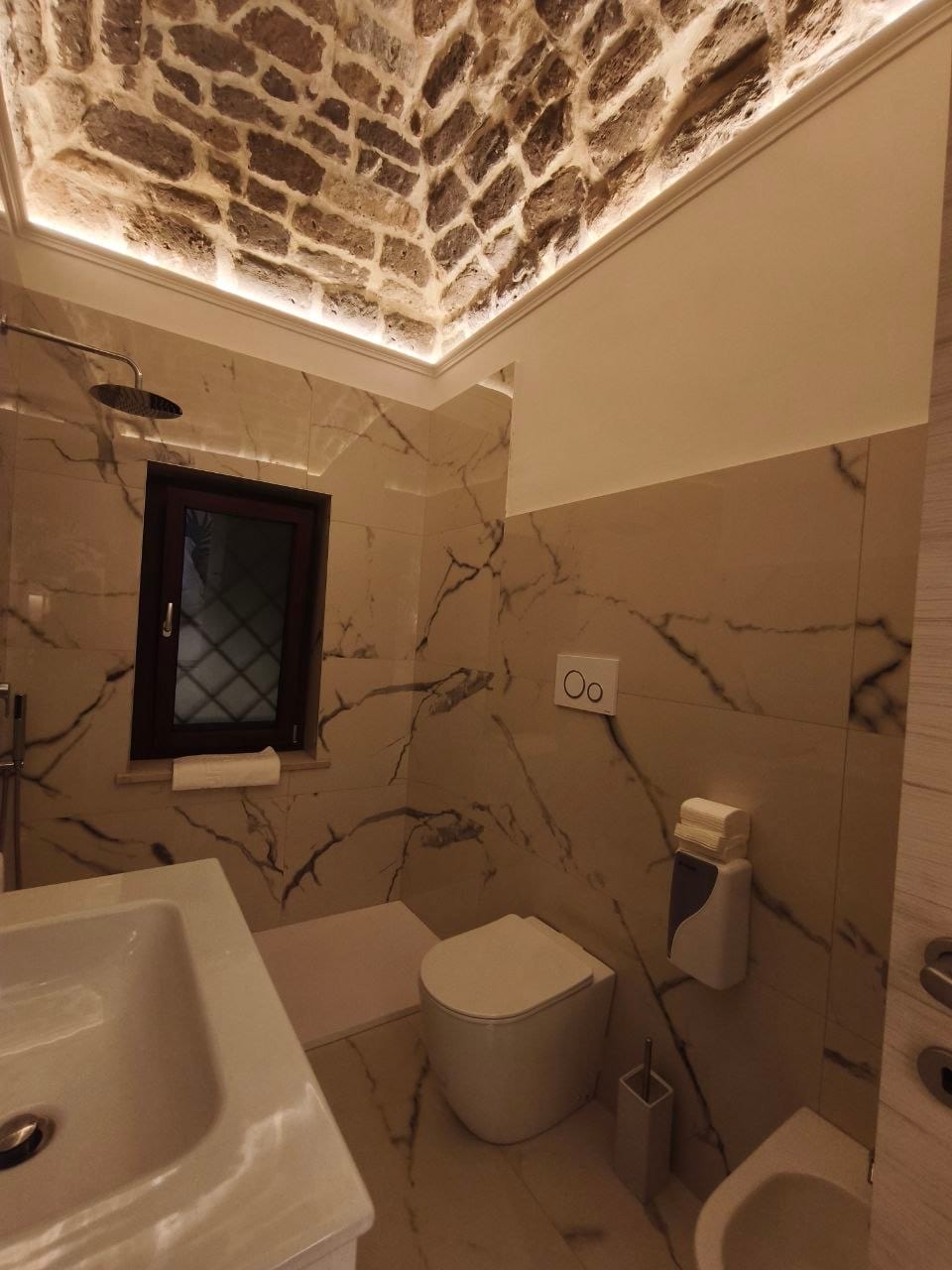
Named after the director. Behind the bed is a painted wall, with statues, ruins and horsemen; above, a ceiling of small lights like stars. It has a parquet floor, a mirror, a small armchair, and its own bathroom, in marble, under a stone vault.
-
-
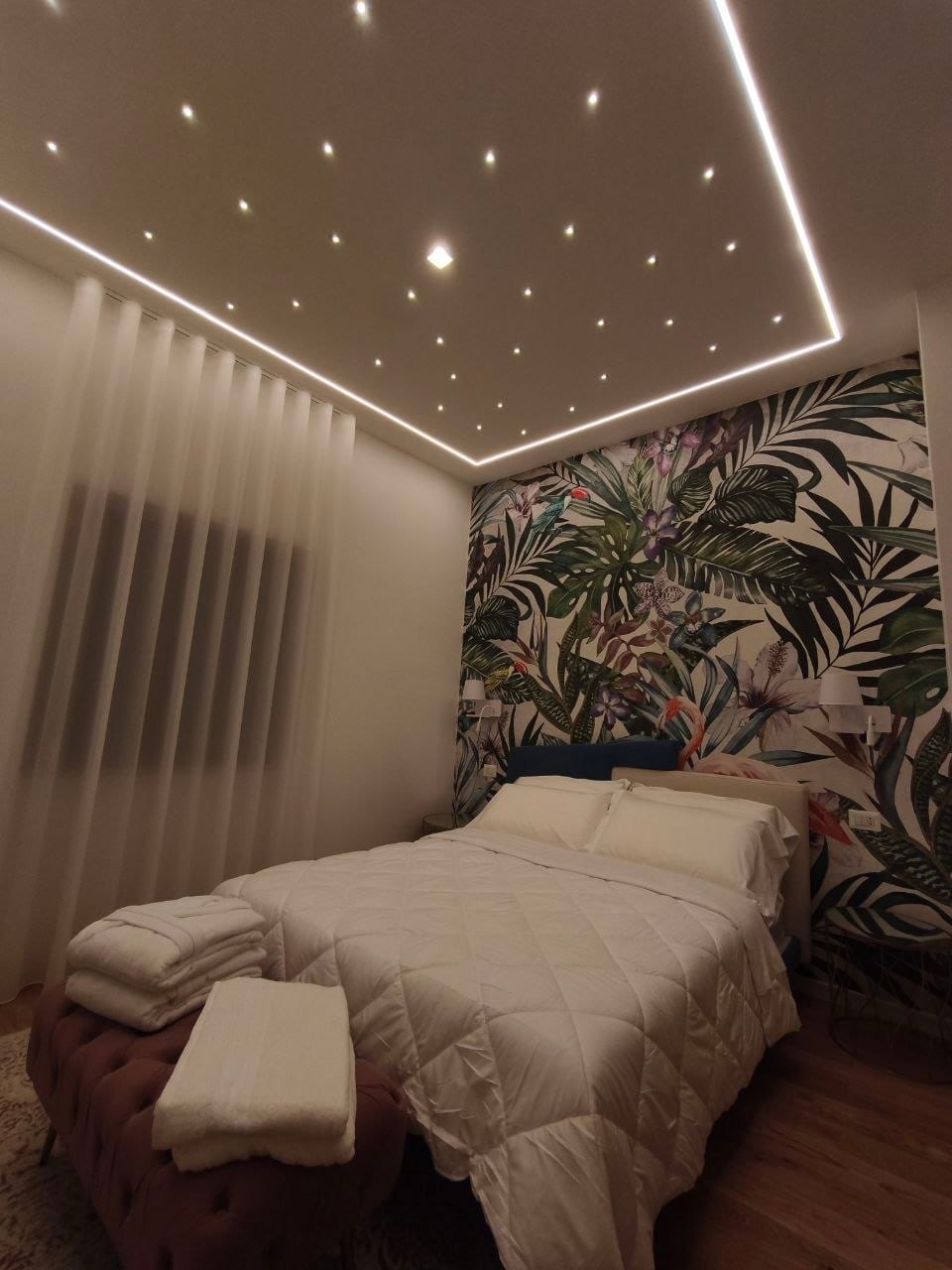
Camera Callas
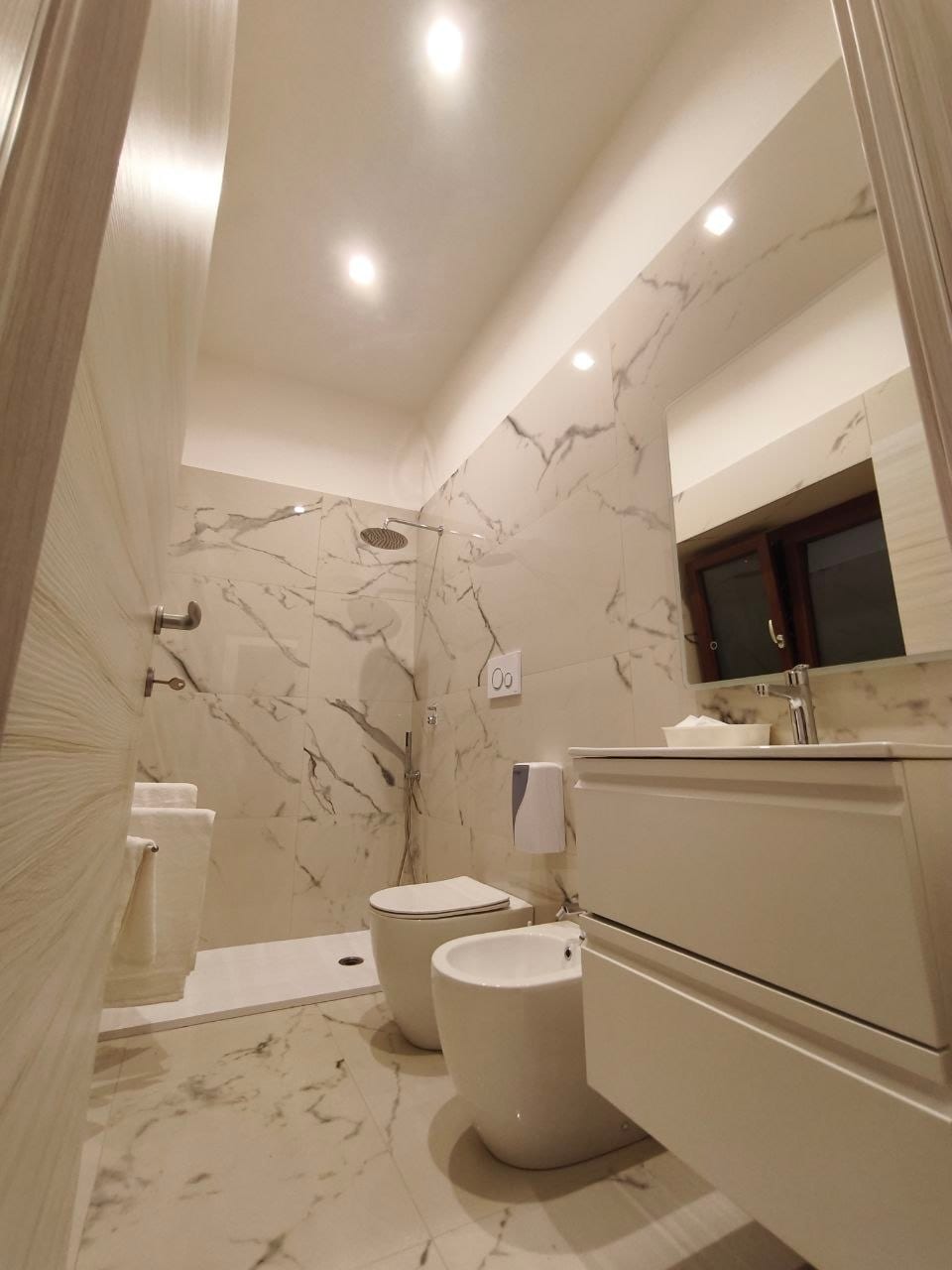
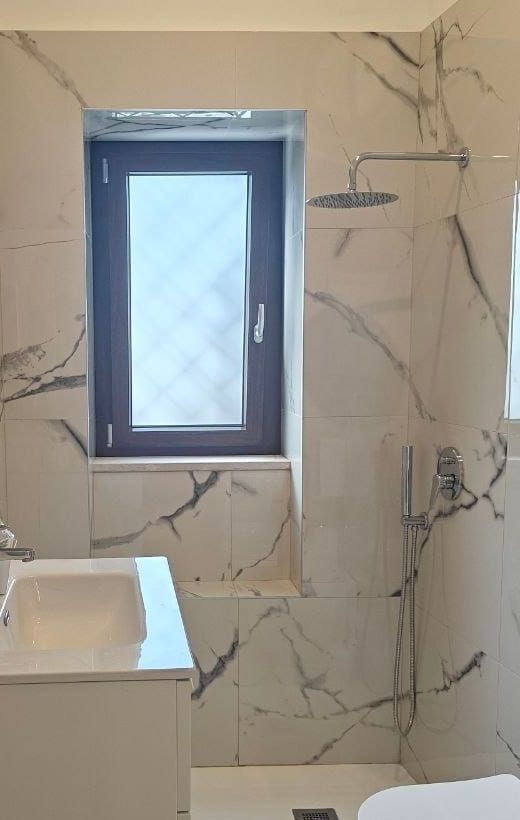
Named after the singer. The wall behind the bed is covered in leaves and flowers, the curtain is pale, and at the foot of the bed there is a velvet bench; here too the ceiling is starry. The bathroom, all its own, is in white marble, with a shower and a window.
-
The place
Casertavecchia and the Decameron
In September and October 1970 Pier Paolo Pasolini shot some scenes of The Decameron in Casertavecchia: the frame story of Ser Ciappelletto, Andreuccio’s horse market under the castle walls, part of Peronella. The village is in the first shot of the film, at sunset, with the bell tower and the keep.
For a year he had been bound to Maria Callas, the Medea of his previous film, by a friendship she would have wished to be love. That autumn she came to see him on set: a still photograph shows them sitting on a flight of steps in Casertavecchia, among the people of the village. The family remembers that they were guests in this house. The two rooms bear their names.
The village still talks about that shoot: a promenade performance, “L’Umana Commedia – Il Decameron nei luoghi di Pasolini”, is staged among the lanes.
The places of the Decameron
- The walls and the keep of the castle — Andreuccio’s horse market was shot here, and behind a ruined house Pasolini dressed as Giotto’s pupil.
- The bell tower and the Cathedral square — The first shot of the film: the village at sunset, with Mount Tifata, the bell tower, the dome and the ruins of the castle.
- Via San Michele Arcangelo — The lane down which Meuccio runs to his neighbour’s house, in the last tale.
- A palazzo nearby — In a nearby hamlet, in a private palazzo with its garden, the tale of Caterina di Valbona was shot.
Around us
Nearby
A few ideas for planning your days, from San Leucio to the Amalfi Coast. Driving times are approximate.
-
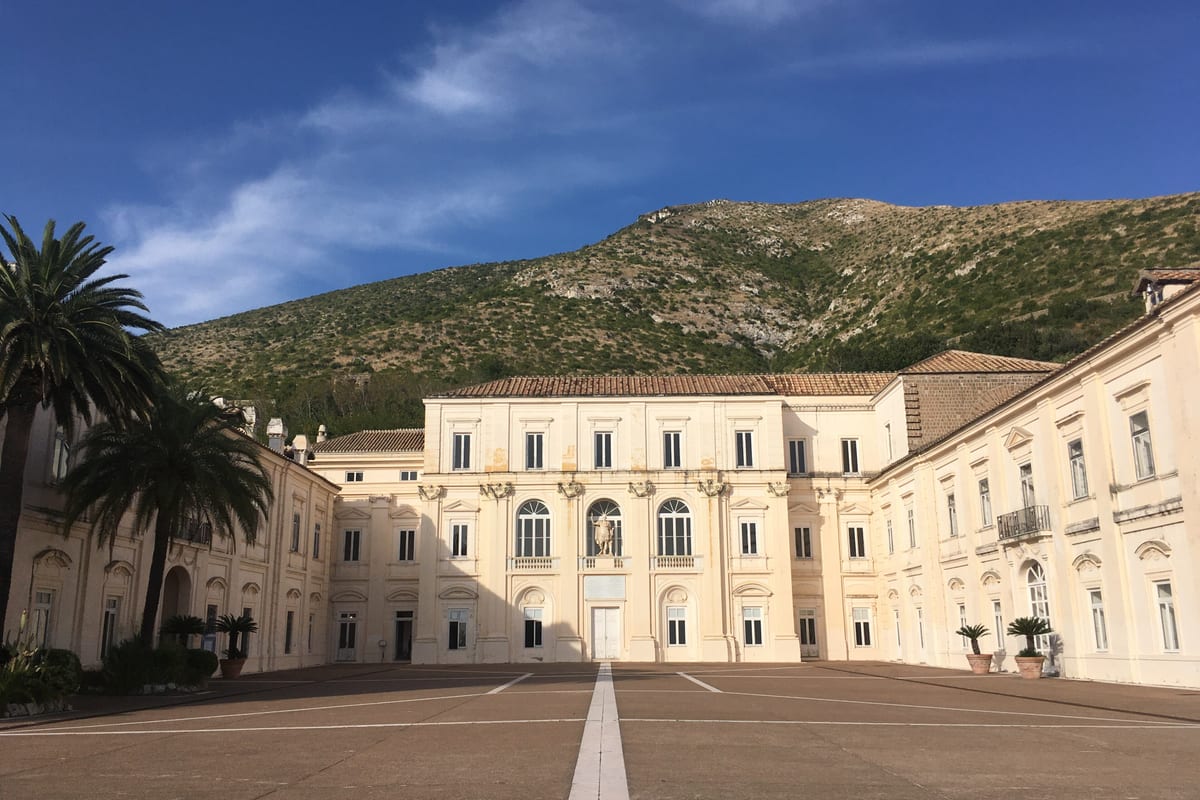
Photo: Mel22, CC BY-SA 4.0, cropped Belvedere di San Leucio
About 20 minutes by car · 9 km
The silk colony founded by Ferdinand IV: the royal apartment, the gardens and the historic looms of the museum.
-
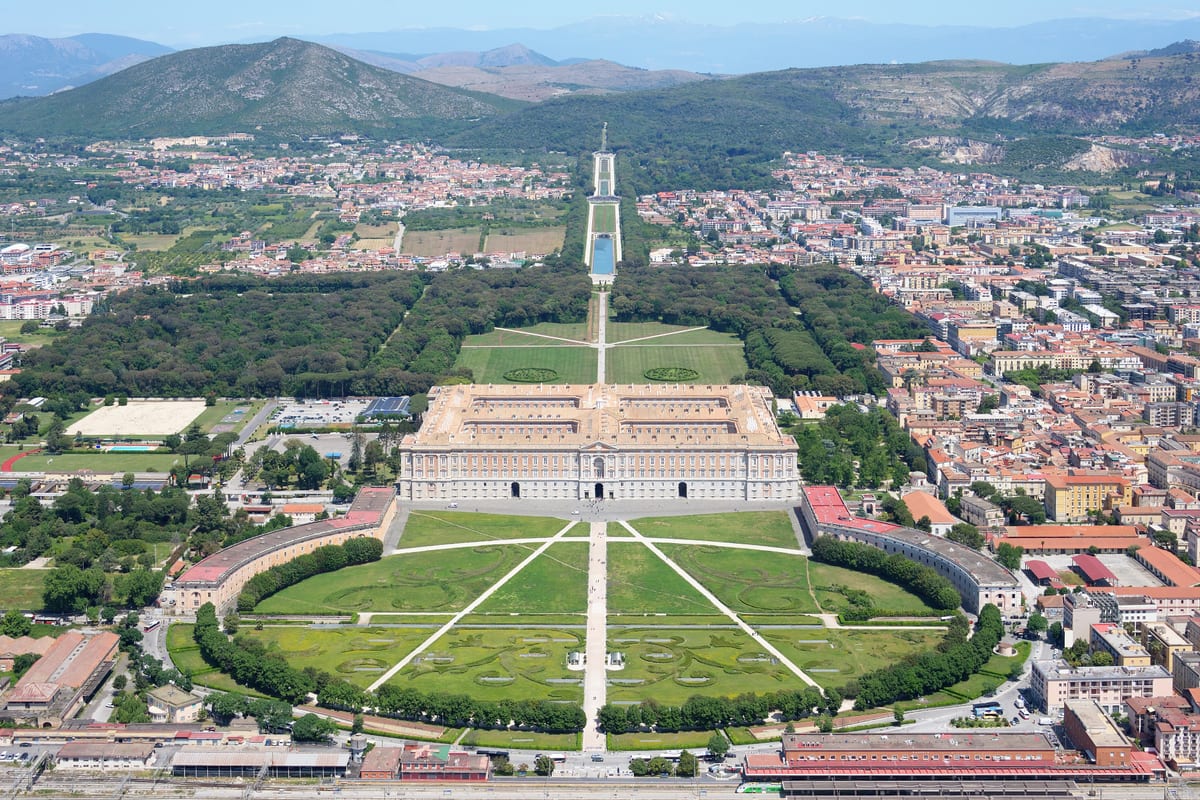
Photo: Carsten Steger, CC BY-SA 4.0, cropped Royal Palace of Caserta
About 25 minutes by car · 12 km
The Bourbon royal palace and its three-kilometre park, ending at the Great Waterfall and the English Garden.
-
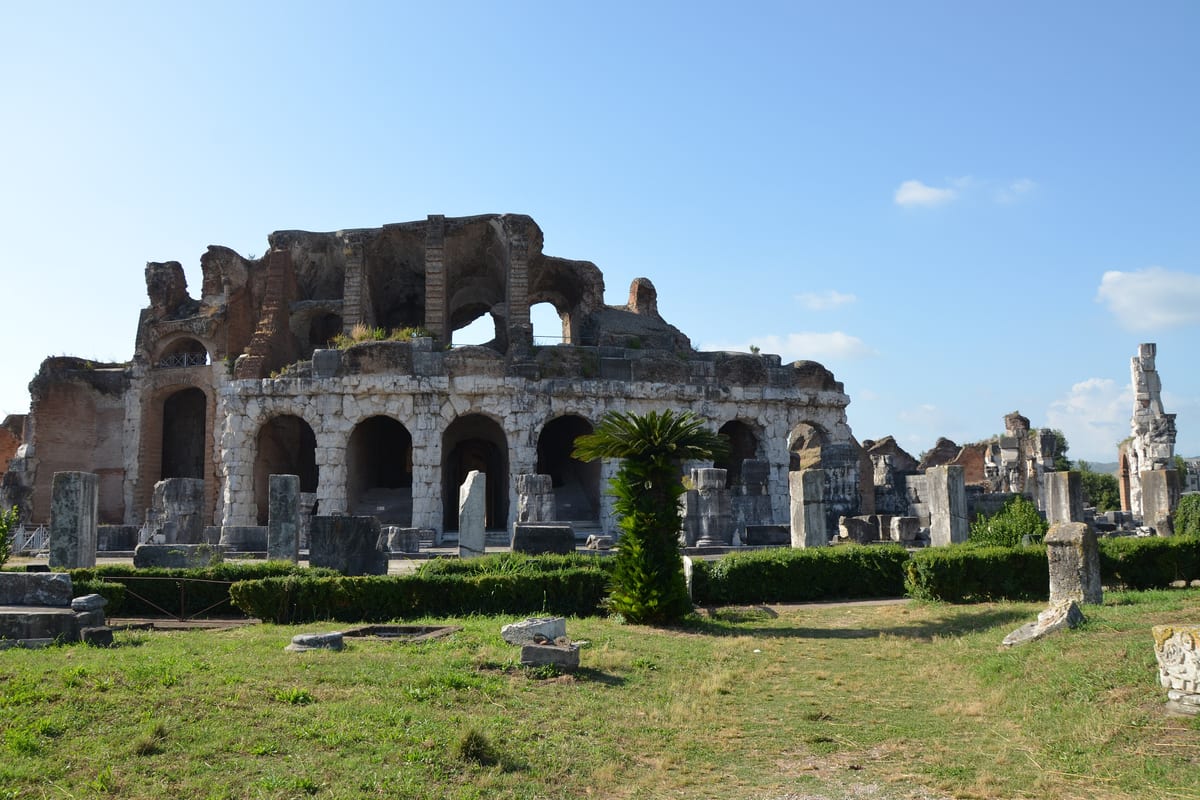
Photo: Carole Raddato, CC BY-SA 2.0, cropped Campanian Amphitheatre
About half an hour by car · 18 km
In Santa Maria Capua Vetere, the second-largest Roman amphitheatre after the Colosseum; the underground chambers of the arena can be visited.
-
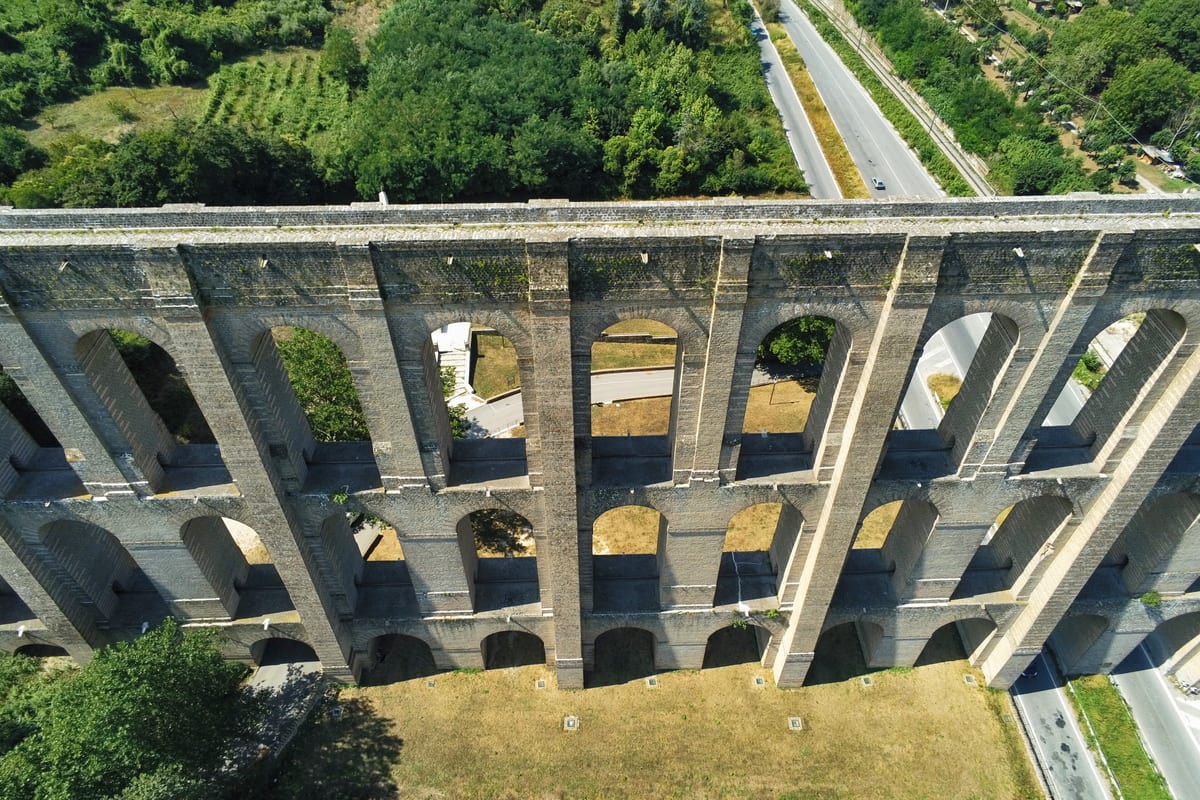
Photo: Valerio Capello (ElfQrin), CC BY-SA 4.0, cropped Acquedotto Carolino
About 40 minutes by car · 13 km
The Ponti della Valle, Vanvitelli’s aqueduct that carried water to the Royal Palace: three tiers of arches, almost sixty metres high.
-
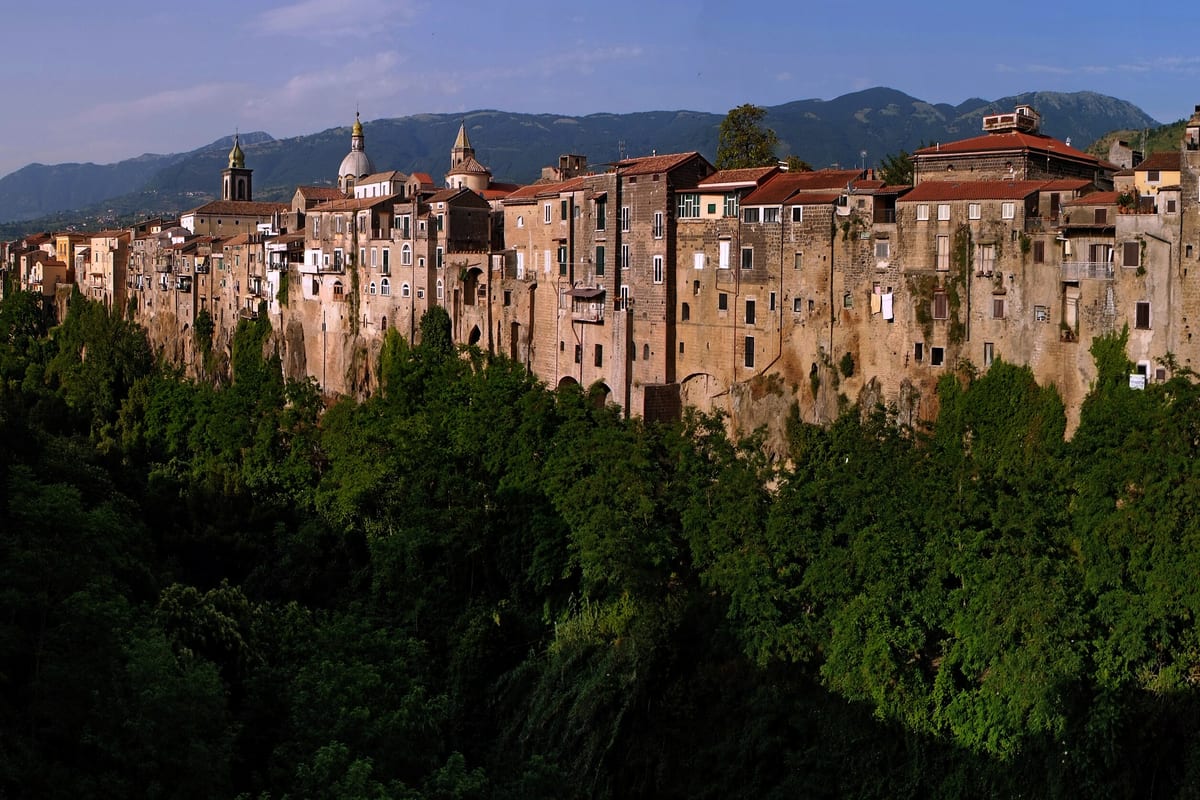
Photo: Acquario51, CC BY-SA 4.0, cropped Sant’Agata de’ Goti
About 40 minutes by car · 17 km
A village built on a spur of tufa between two streams, with its cathedral and ducal castle. You see it all on foot.
-
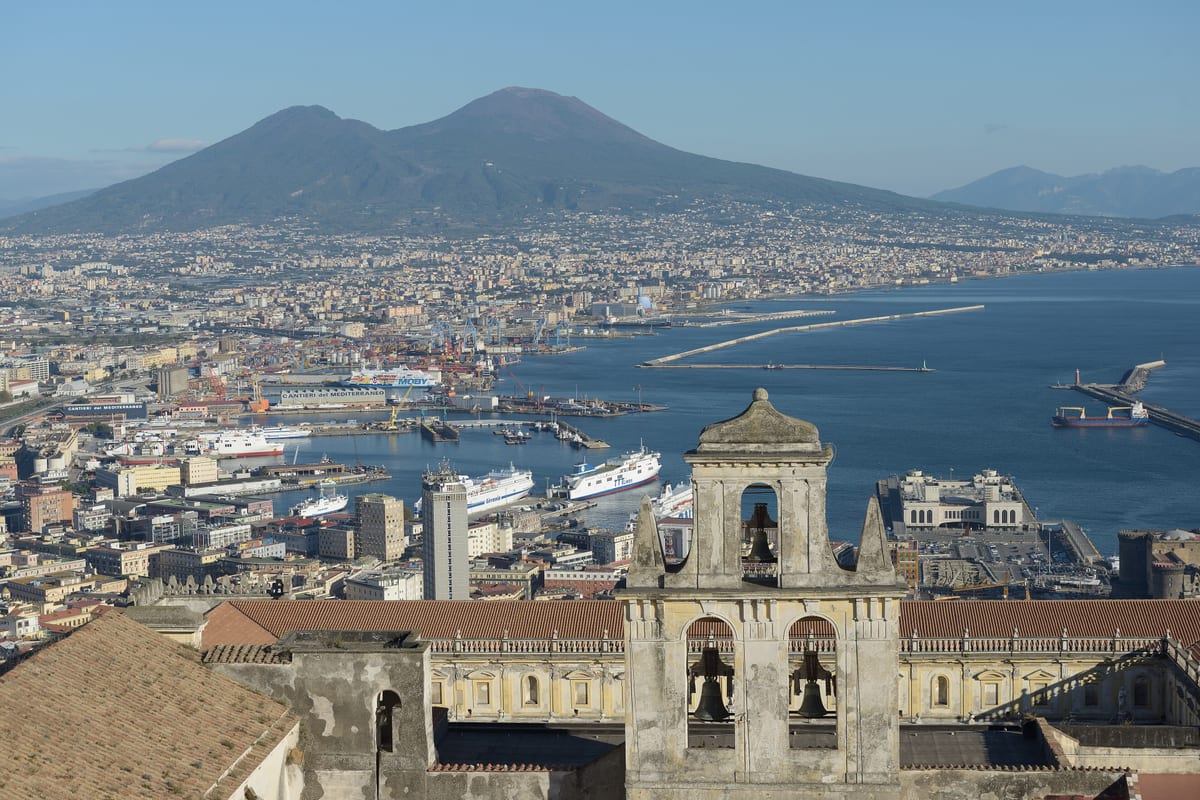
Photo: Wolfgang Moroder, CC BY-SA 3.0, cropped Naples
About an hour by car · 45 km
The historic centre, the National Archaeological Museum and the seafront. A day is barely enough for one district.
-
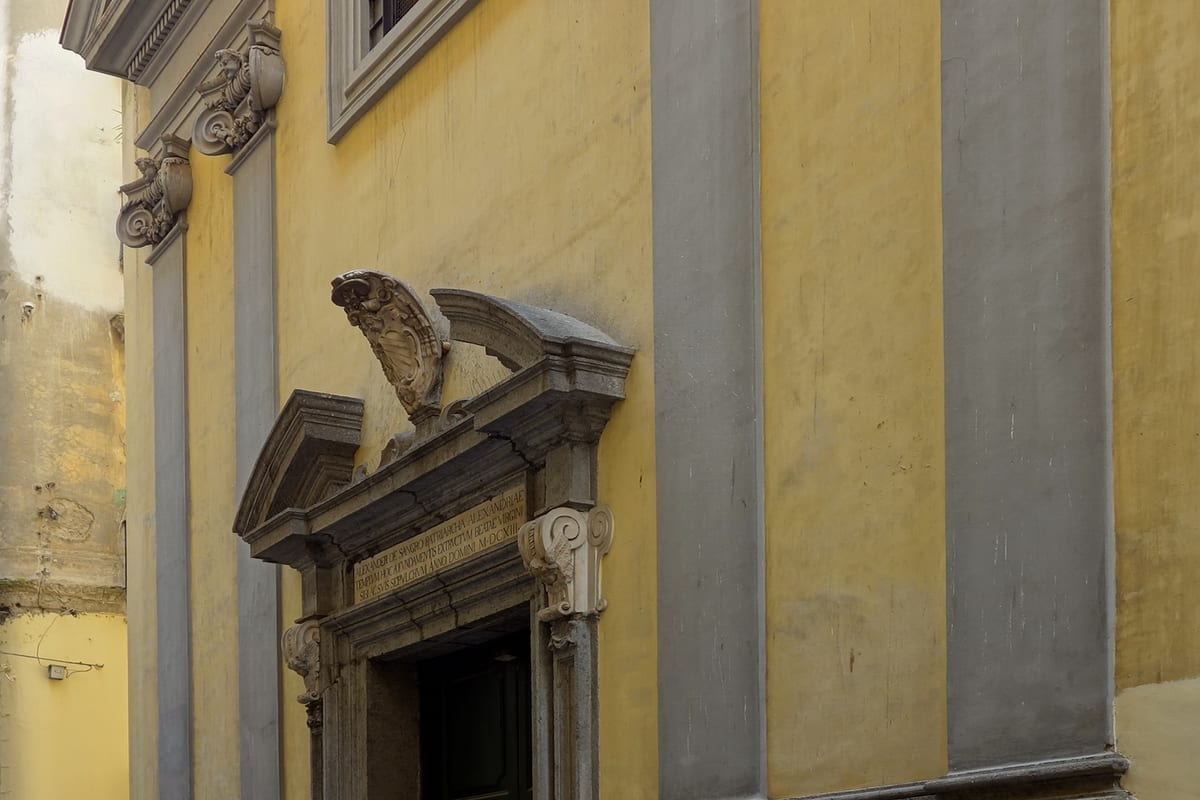
Photo: Velvet, CC BY-SA 3.0, cropped Cappella Sansevero
About an hour by car, in the historic centre
Sanmartino’s Veiled Christ, in the historic centre of Naples. Entry is by limited numbers: it is best to book.
-
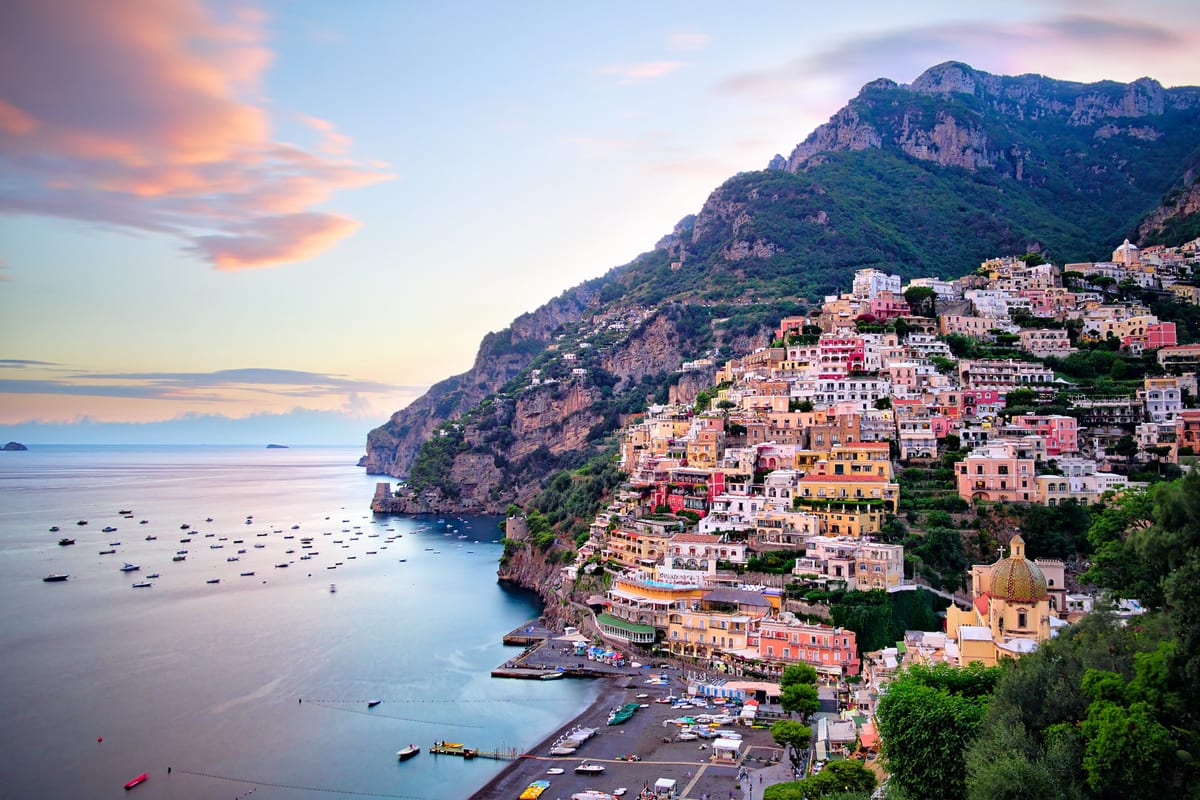
Photo: Thomas Fabian, CC BY-SA 2.0, cropped Positano
About two hours by car · 95 km
The Amalfi Coast, with terraced houses running down to the Spiaggia Grande. It can only be reached by the coast road.


Booking is easy
No booking portals, no complicated forms: just call or send a WhatsApp message and we will reply to you directly.