
The story · 1969–1977
Pasolini, Callas and the Decameron
A director shooting some scenes of a film among these stones, and a singer who loves him without being loved in return. In the autumn of 1970 their lives pass through here, and the house bears their names.
September 1970
The village becomes a set
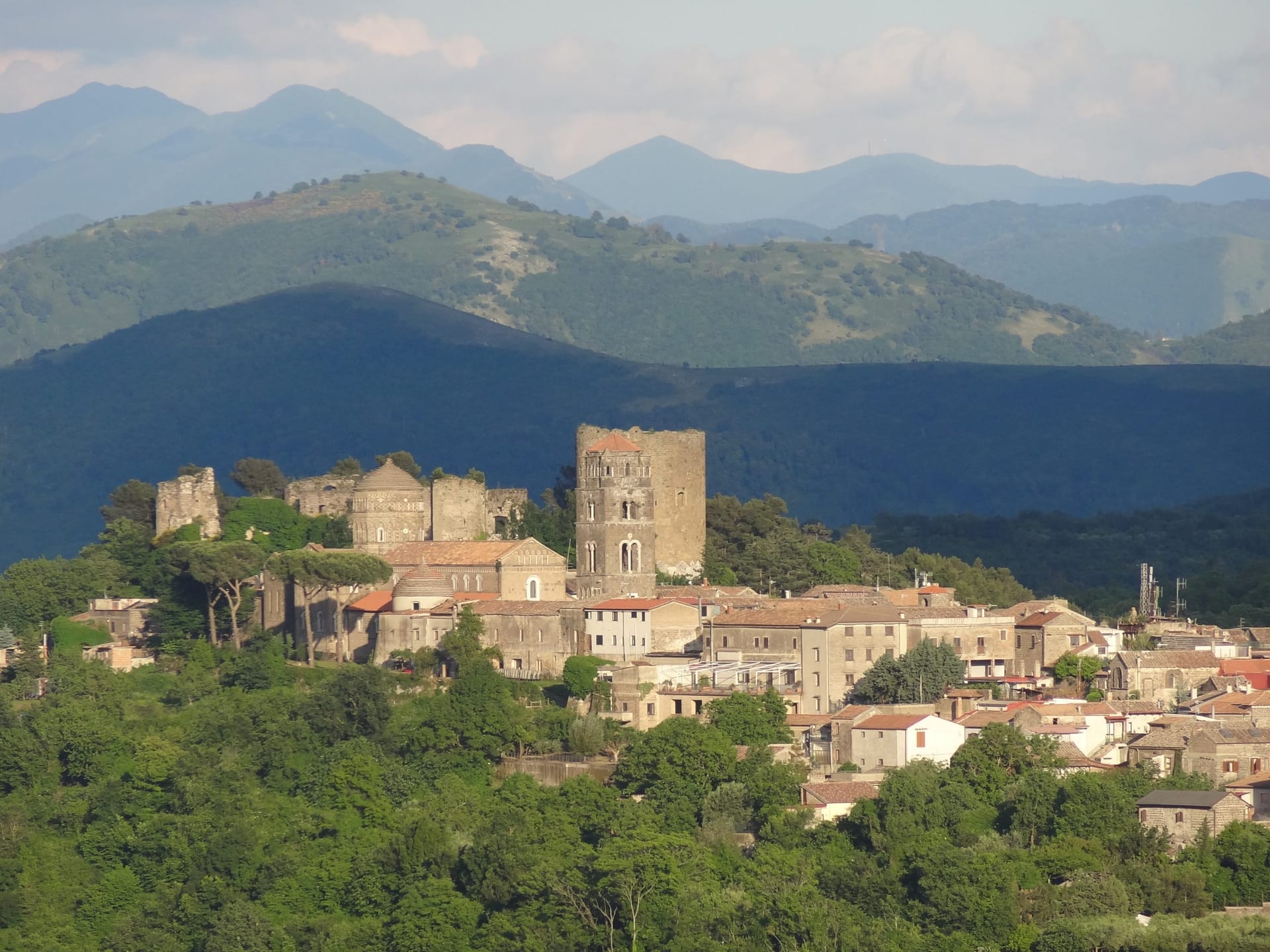
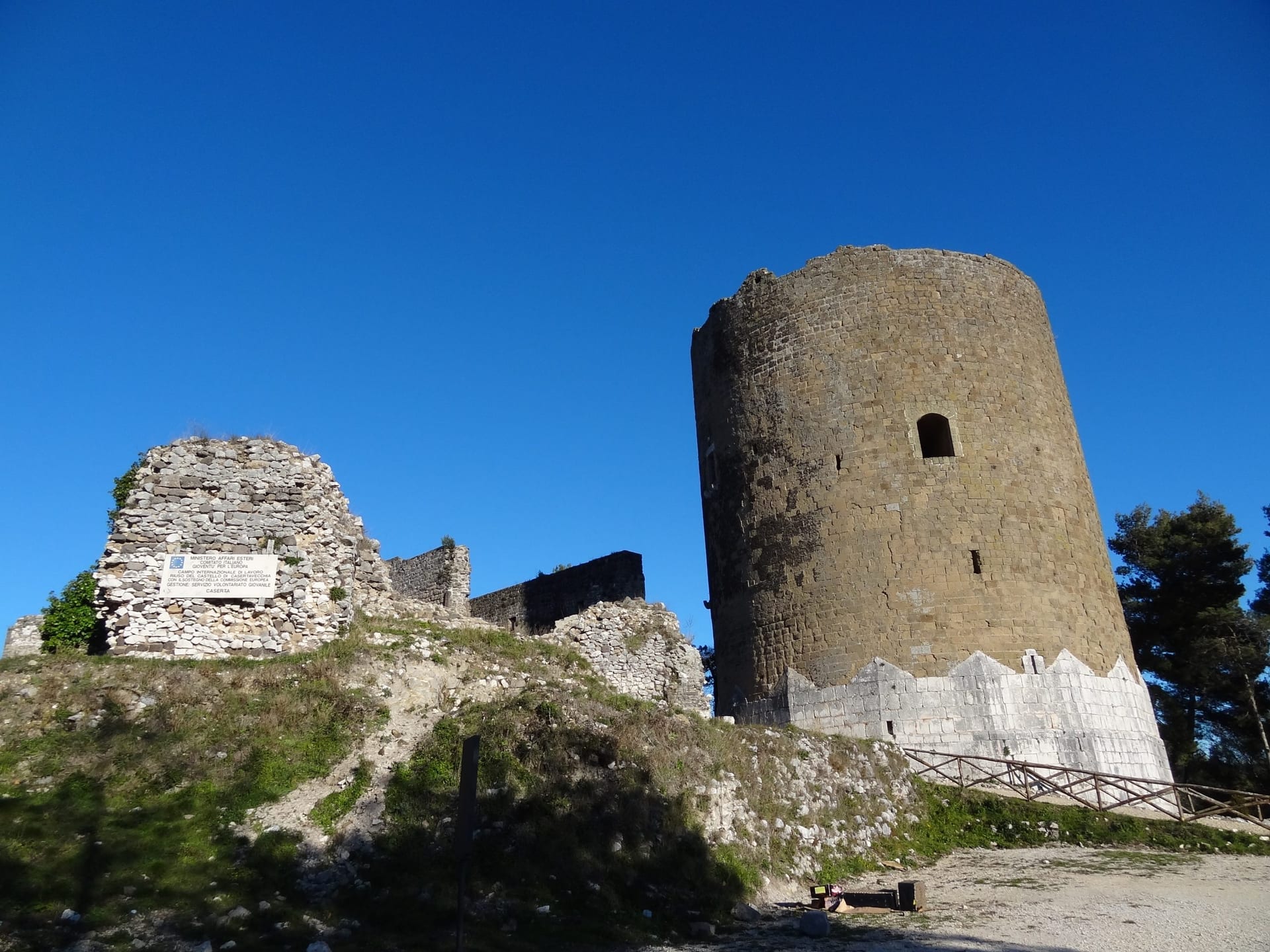
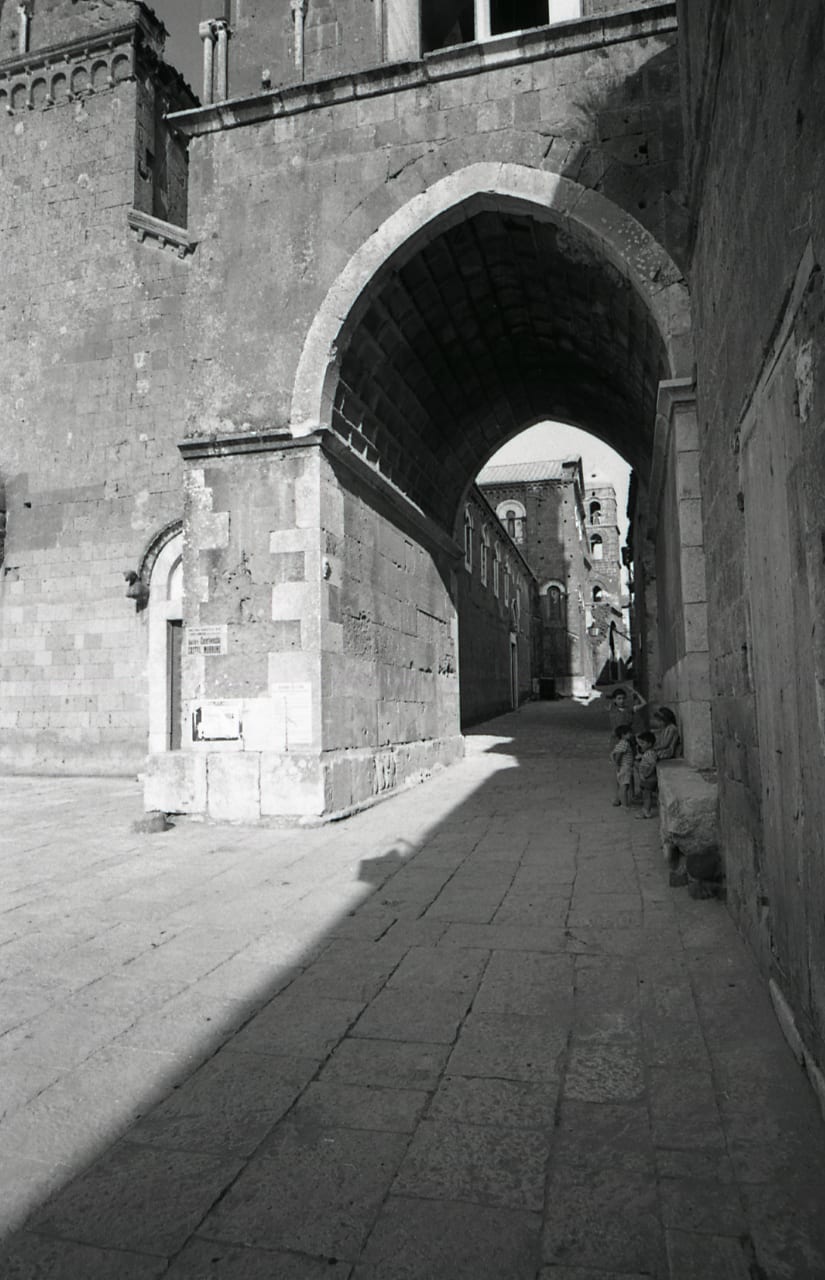
On Friday 11 September 1970 Il Mattino ran the headline: “The exteriors of the Decameron in Casertavecchia”. Pasolini had arrived with the crew at the beginning of the month. Technicians and extras slept in the hotels of Caserta and came up every morning; for a few weeks the village worked from seven until eight in the evening. Under the castle walls, between the keep and the ruins, they set up the horse market where Andreuccio of Perugia — Ninetto Davoli — arrives with his purse full of florins. The same view, at sunset, opens the film: from the left Mount Tifata, the bell tower, the dome of the Cathedral, the castle. In Via San Michele Arcangelo runs Meuccio, in the last tale.
The extras were local people, dressed as friars, men-at-arms and merchants, among oxen, donkeys, baskets of lemons and potatoes. With Pasolini were the cameraman Tonino Delli Colli, the production designer Dante Ferretti, and Franco Citti. In the film the market is Naples, and Naples is what Pasolini said he was looking for: “to recover the only Italian reality still intact: that of Naples”. In the village he found the faces and the stones to stage it.
In the dusty space of the market of Caserta Vecchia, ringed by ruins, under a sun that here still splits your head.

Behind a ruined house
The director steps into the film
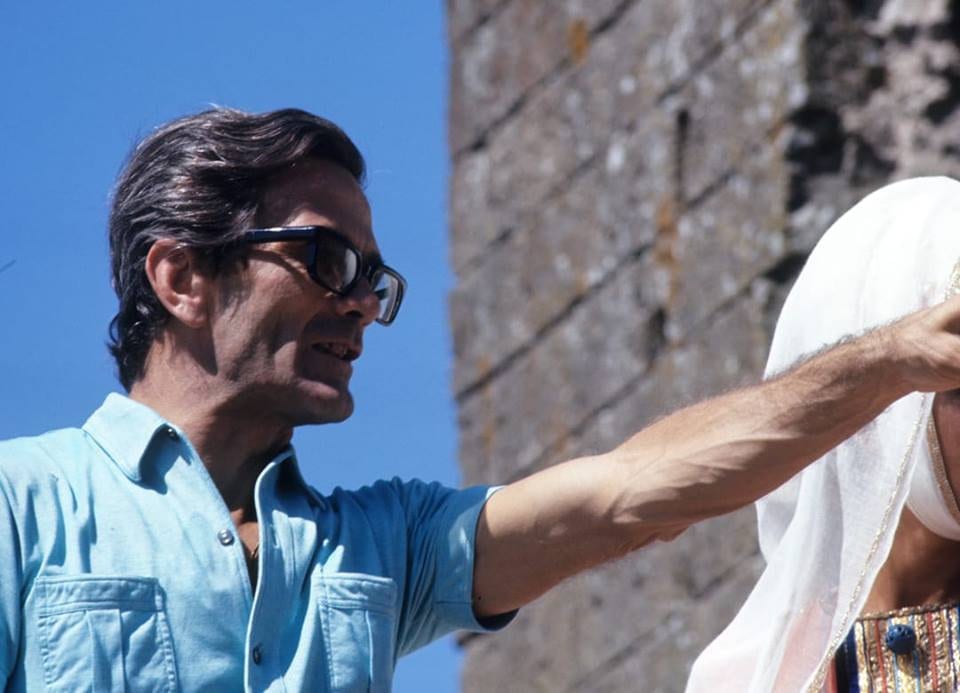
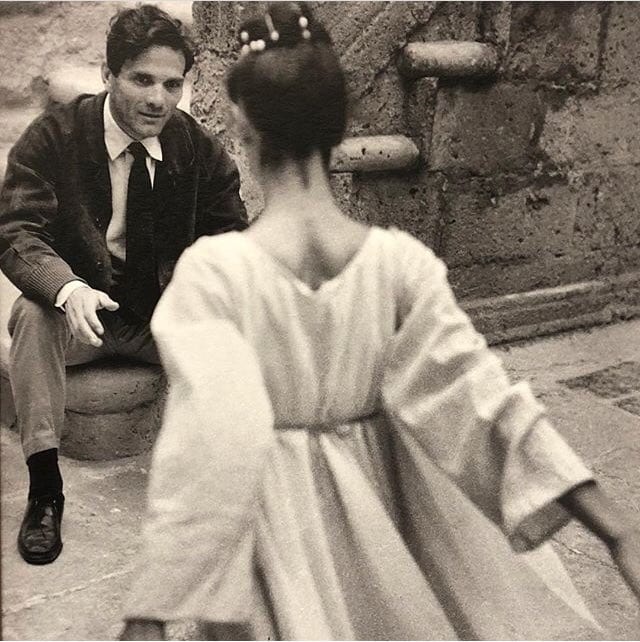
In The Decameron there is a pupil of Giotto who arrives in Naples to paint a fresco. The poet Sandro Penna was to play him, and Penna made “the great refusal”. Three days before the date set, the part fell to the writer Paolo Volponi, who said no on the last day. Pasolini decided in five minutes. He asked the assistant costume designer for the clothes, went behind the rubble of a ruined house in Casertavecchia, where he was shooting the horse market, took off his trousers and T-shirt like an extra, on the grass, and put on the costume. From that day the director was in the film too.
Which ruined house it was, nobody has ever said.
I was in Caserta Vecchia, in the thick of the work, which always seems impossible.
1969
Medea
A year earlier Pasolini had made Medea, and for Medea he had wanted Maria Callas. The most famous singer in the world had never made a film, and in this one she does not sing: she only acts. The offer reached her in the autumn of 1968 from the producer Franco Rossellini; shooting ran from May to August 1969, between Cappadocia, Aleppo, Pisa and the lagoon of Grado. Pasolini would say he had written the screenplay “with Callas in mind”.
She, recently left by Onassis, fell in love with him; he could not return it and did not pretend. On set, though, he protected her, waited for her, arranged her veil before each take, and she would say that work was easy with him, because he never imposed himself.
I feel I have always known her. It is as if we had been at school together.
Summer 1969
The ring
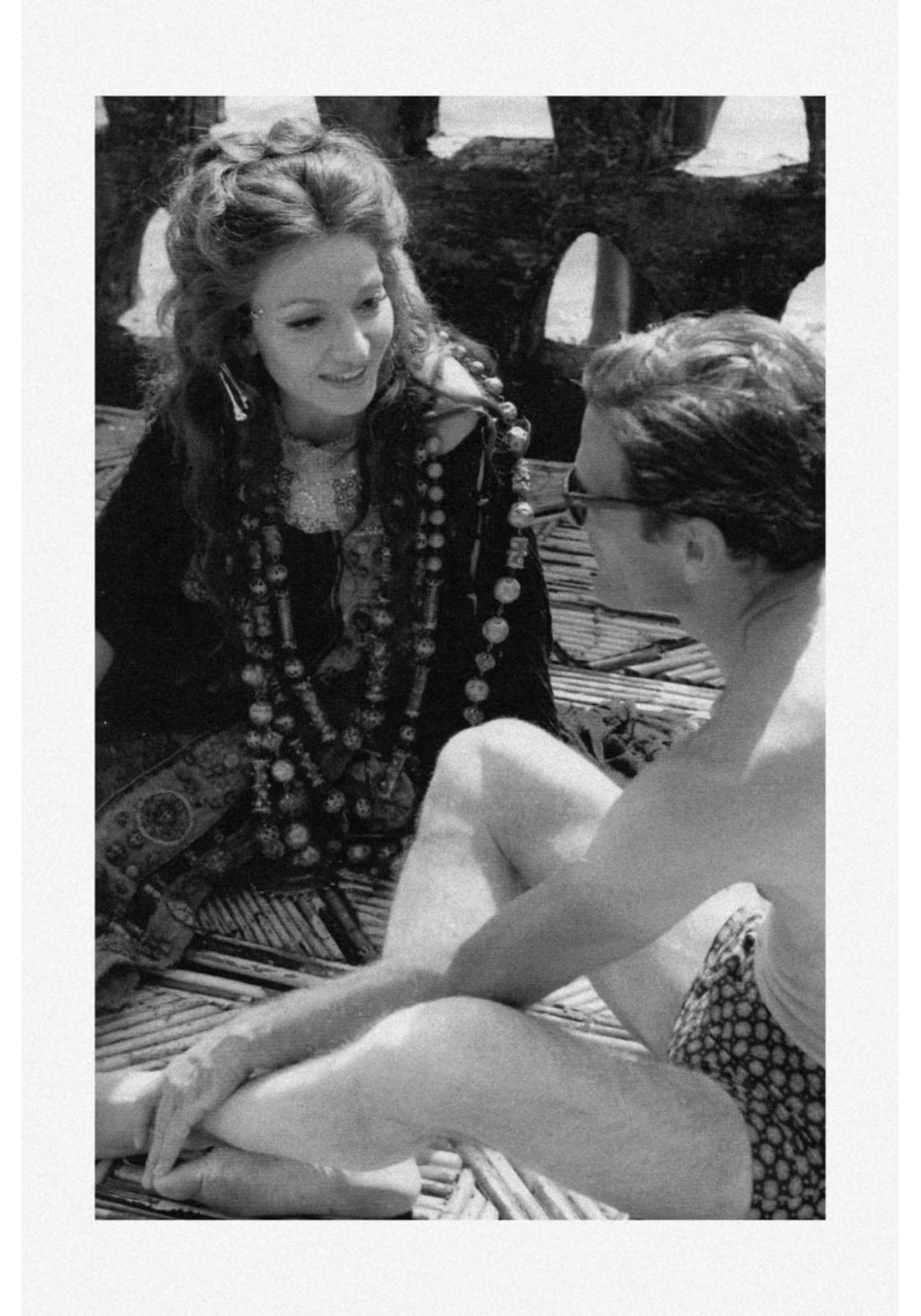
Between takes she stayed in costume, wearing Medea’s necklaces, and he in swimming trunks: that is how someone photographed them, sitting on a mat, talking. Between the two grew what the Centro Studi of Casarsa calls “a great, most affectionate friendship”. The illustrated weeklies called it an engagement.
When shooting ended, in Grado, he gave her a ring. She took it for a pledge of marriage. In September he took her to Casarsa, to his family, and the whole town was at the door waiting for La Divina; at a reception in Grado, the same month, the guests shouted “long live the bride and groom”.
March 1970
A greater affection
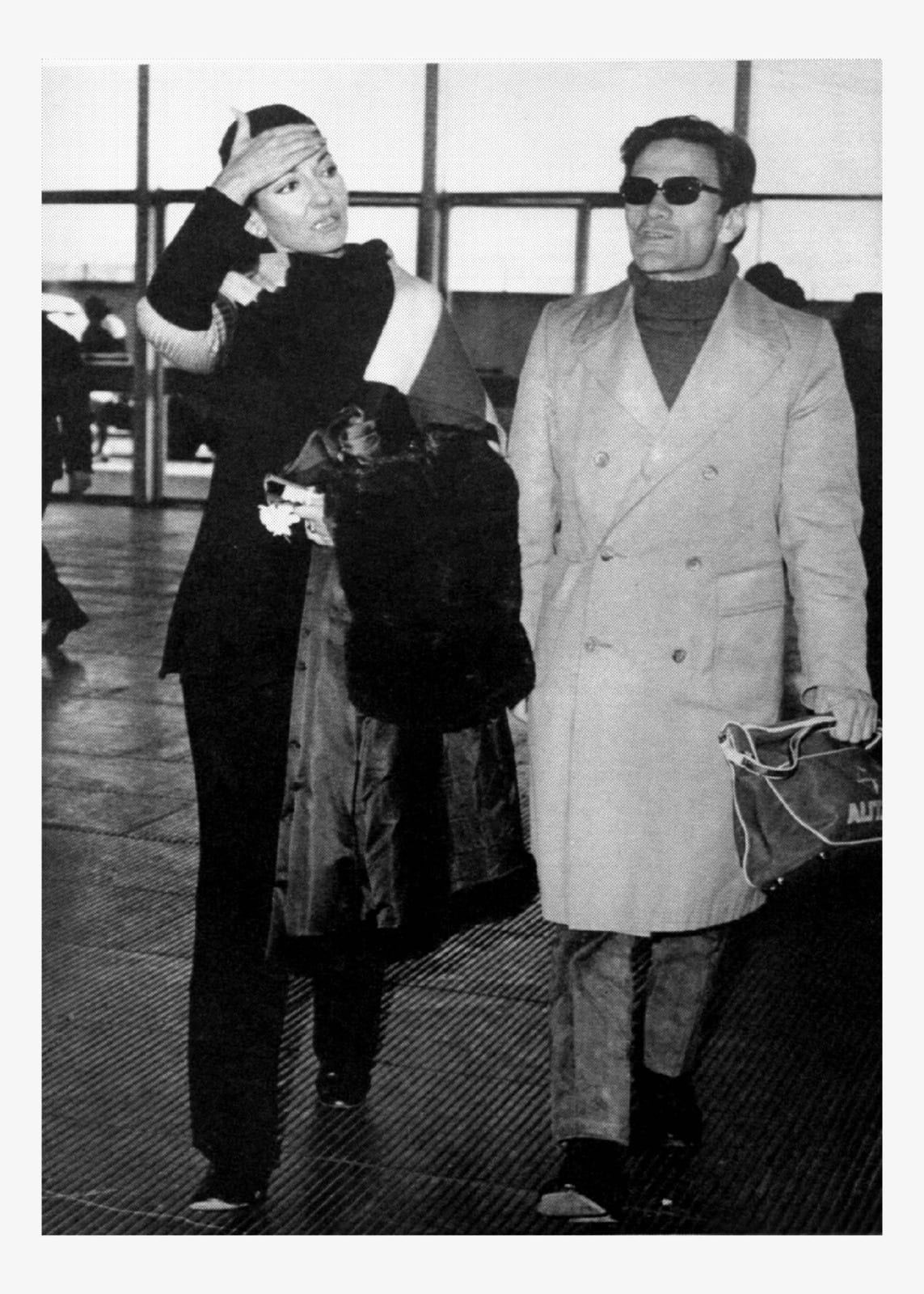
In March 1970 they flew together to South America, to the Mar del Plata festival, and then to Rio. There Oriana Fallaci met them. “The newspapers wrote that you were lovers,” she would write to him years later, and no, they were not: he, Fallaci says, had “adopted her as a sister”, and never left her side.
It was the year they spent most time together, between airports and hotels, with photographers waiting for them. In this photograph she is wearing a hat and he has an Alitalia bag in his hand, and it is one of the few in which they do not seem to be posing.
I have an affection greater than any love.
1969–1970
The wedding that never was
She hoped to marry him. Dacia Maraini, who was her friend, has told it: she knew what he was like, and thought she could change him. To the journalists who asked him about a wedding he replied that matters of the heart are private affairs, and that on the artistic plane the marriage had already taken place, with the film.
To her he wrote other things. That she was like a precious stone shattered into a thousand splinters, so that it could be put together again. And she to him, from an aeroplane: that they were bound as rarely happens in life.
We are very closely bound in spirit – I dare say as rarely happens in life.
August 1970
A month on an island
In August they spent a month together on an islet in the Aegean, guests of a shipowner. He wrote her poems, among them “L’anello”, dated 10 August 1970, and made portraits of her with what he found: flower petals, earth. The poems for her, this one and “Un affetto e la vita” of the year before, came out in 1971 in Trasumanar e organizzar, with no written dedication; those who knew the two knew whom they were for.
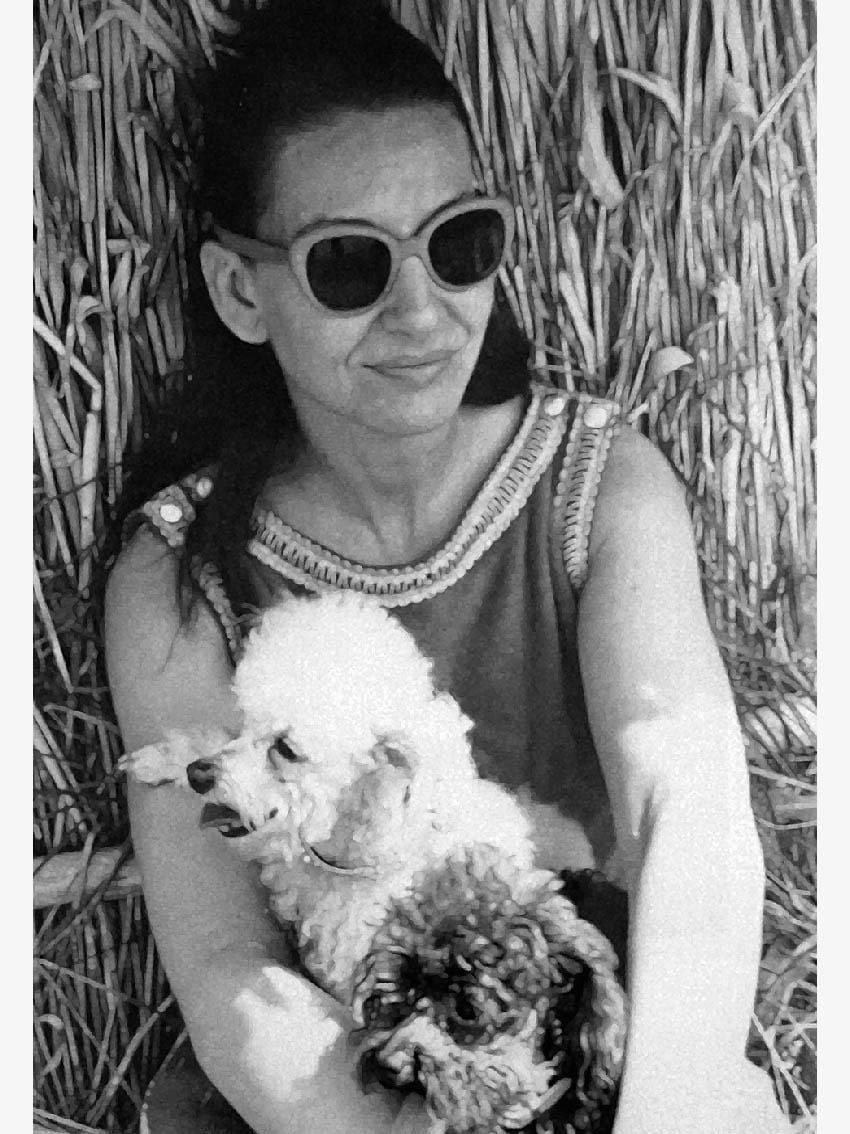
In an undated photograph she sits among the reeds, with her poodles in her arms. They were quiet weeks, the last before he went back on set.
Autumn 1970
Maria in Casertavecchia
A few weeks after the Aegean, Pasolini was here shooting, and Callas came to see him. A still photograph by Mario Tursi shows them sitting on a flight of stone steps in Casertavecchia, among the women and children of the village, during the shoot. A weekly photographed them arm in arm in Caserta, and on 20 October Oggi published an interview with Pasolini on The Decameron beside a photograph of her. In the winter they would be in Africa together, with Moravia and Dacia Maraini: Dakar, Abidjan, Mali.
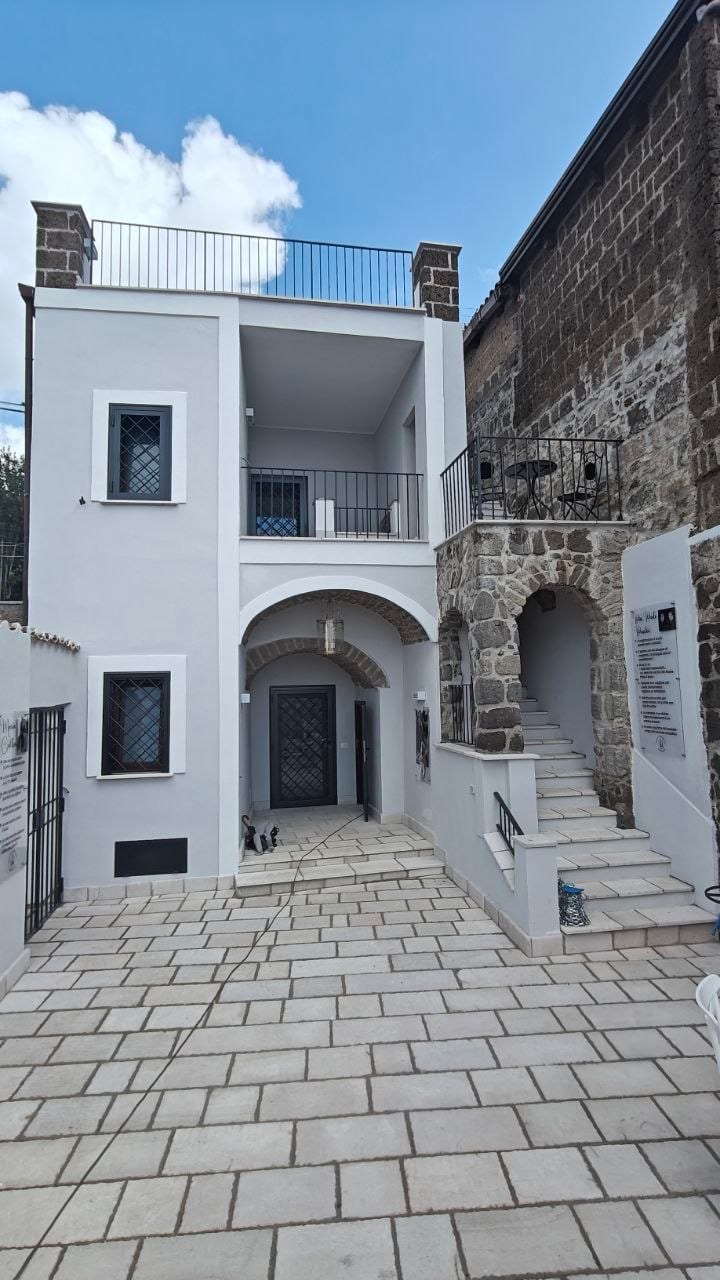
The Giaquinto family, who have welcomed guests in the village since 1960, remembers that in those days Pasolini and Callas were guests in this house. No newspaper of the time says where they slept. It is a family memory, and we tell it for what it is. That is why the two rooms are called Pasolini and Callas.
Via Cefarelli 1
The two rooms
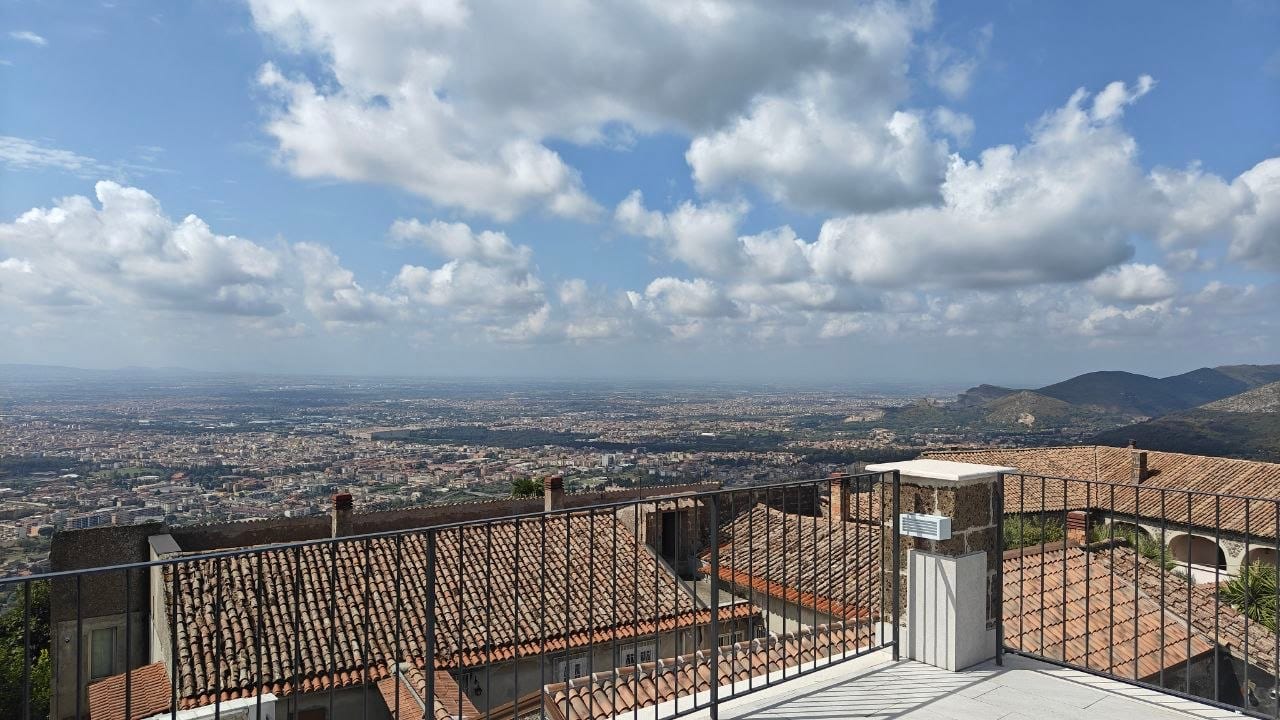
The house is the one in Via Cefarelli, in the middle of the village, a stone’s throw from the Cathedral: two rooms, the Pasolini and the Callas, each with its own bathroom, the sitting room and, above the roofs, the terrace, with the plain of Caserta in front and the Tifatini hills to the right.
In the evening, when the village empties, you meet no one in the lanes.
Things to see
On the trail of the film
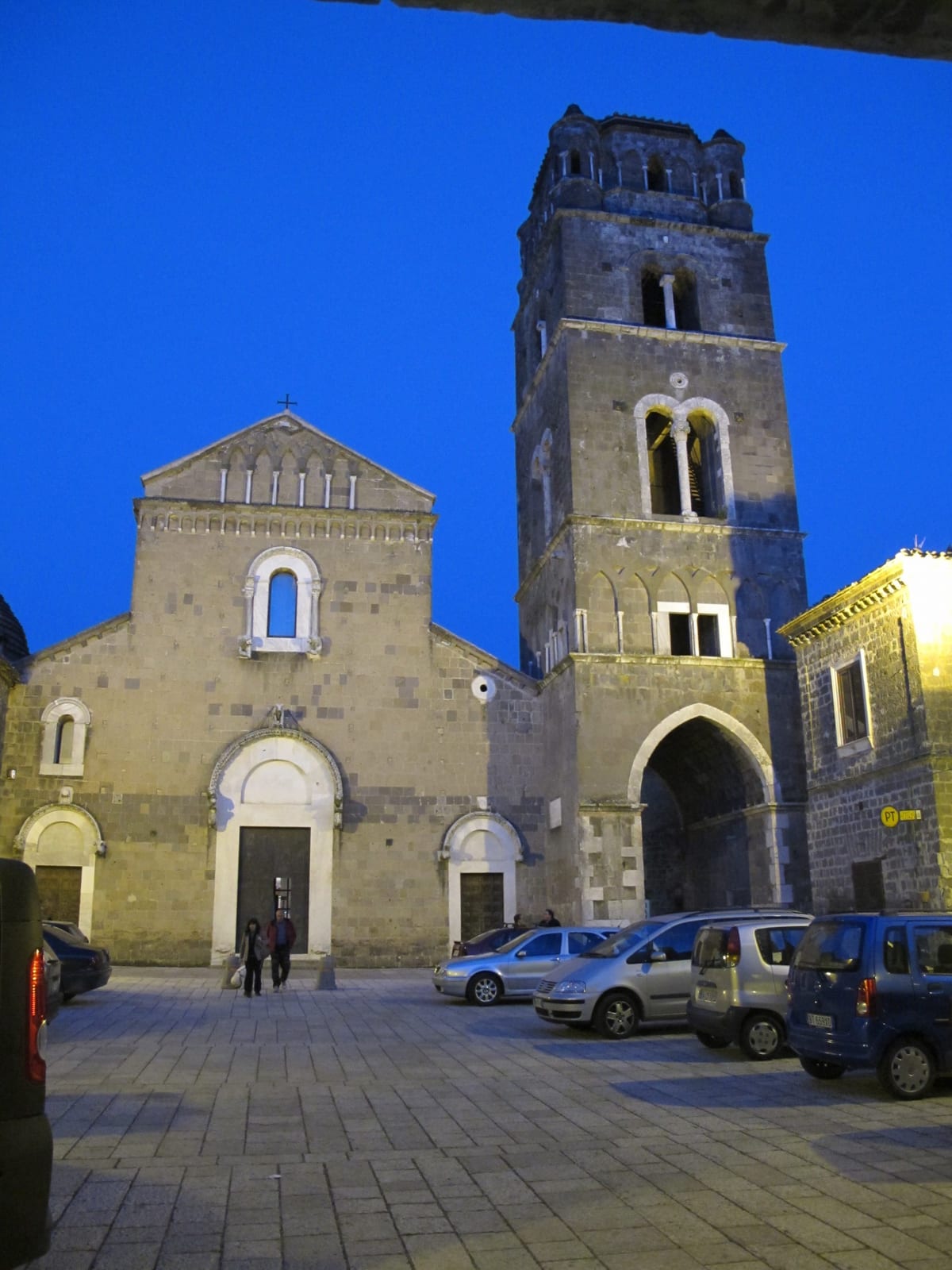
You go round the village on foot: the walls and the keep of the castle, where the horse market stood; the Cathedral square and the bell tower, which are in the first shot; Via San Michele Arcangelo, Meuccio’s run. Outside the village, in a nearby hamlet, a private palazzo with its garden served as the house of Caterina di Valbona. The film is worth watching again before you leave: it came out in 1971, won the Silver Bear in Berlin, faced charges and seizures — the former dismissed, the latter lifted — and was the second-highest earner of the season.
The village still talks about that shoot. Since 2017 the company La Mansarda Teatro dell’Orco has staged among the lanes, in stations, “L’Umana Commedia – Il Decameron nei luoghi di Pasolini”, and “Settembre al Borgo”, the festival that has enlivened Casertavecchia for more than half a century, was born in the same years as the film.
1975–1977
Two lives
Pasolini was killed in the night between 1 and 2 November 1975, at the Idroscalo of Ostia. Callas, who in one year lost Onassis, him and Visconti, shut herself away in her Paris home, and died on 16 September 1977. Both died at fifty-three.
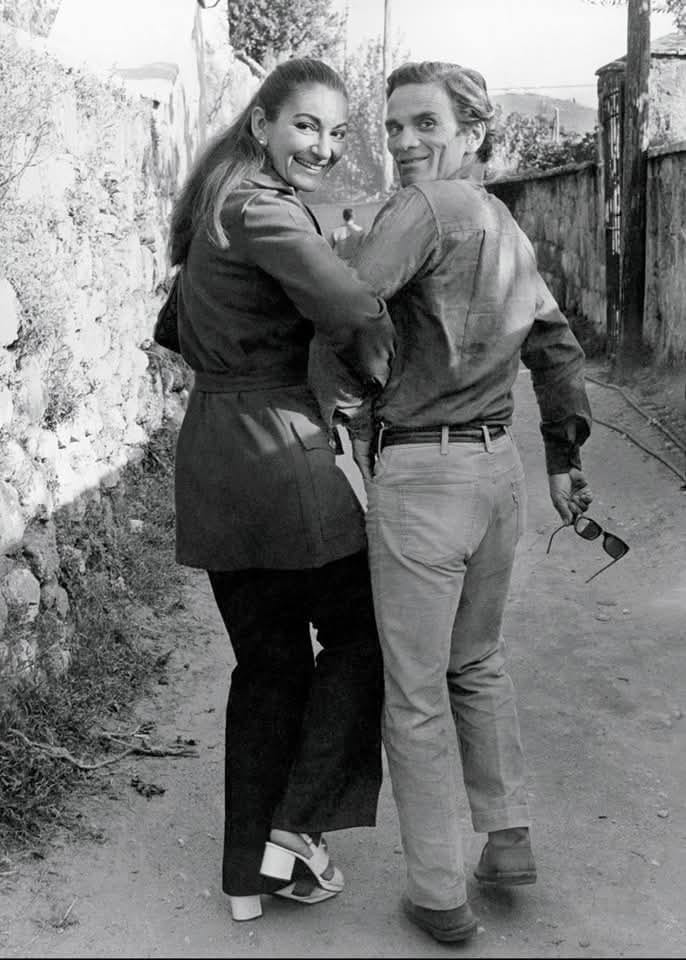
Of their story there remain the letters, a cycle of poems, the portraits made with petals, and the photographs. In one they are walking down a lane and she turns to laugh. It is the one we like best.
A fine woman, Callas. She was very fond of my son.
Rights holders may write to info@ospitalitacasertavecchia.com to request its removal.
Book
The Pasolini and Callas rooms
Two rooms with bathroom, the sitting room and the terrace over the village. A phone call or a message, and we will reply to you directly.
By writing to us via WhatsApp or email you give us your contact details, which we will use only to reply to your request. WhatsApp is a service of WhatsApp Ireland Ltd. Privacy policy